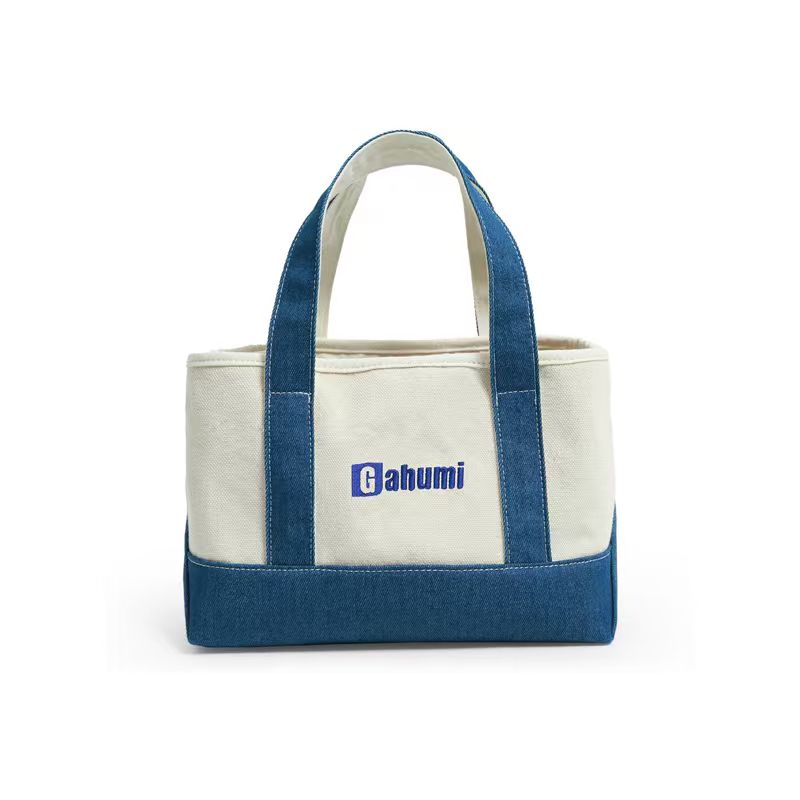
A bag hanging beside a shop window has a different exposure history from one kept in a closed stockroom. If colour retention matters to that display, approving the original shade does not answer the whole question.
Cotton tote bag lightfastness testing asks about colour response to a defined light exposure. It is useful to distinguish that question from a general promise that a reusable cotton bag will never fade.
Describe the display concern without inventing a lifetime
Tell the technical reviewer where the bag is intended to appear and which colours matter. Include the body, handles and printed areas separately where relevant. Photographs of the proposed display help explain the concern, but they do not establish a laboratory exposure or a service-life conversion.
Does a lightfastness result tell you how many months a bag can stay in a window? Not by itself. A defined laboratory exposure should not be converted casually into months in different shops, windows or climates. Ask what conclusion the proposed assessment can support.
Keep the initial colour reference too. Our batch shade guide covers agreement on the starting appearance. Here the purchasing question is what happens to that appearance under light, not whether two new rolls originally match.
Identify the textile and the colour being assessed
Ask whether testing will cover dyed fabric, a particular printed area or the relevant finished combination. Record the fabric, colour, finish, print and sample references. Do not use a result for an undecorated pale cloth as evidence for a coloured print.
For a two-tone design, ask which components need separate consideration. It may not be enough to describe the specimen simply as “cotton bag”. Keep any untested colours visible in the request and eventual report.
Composition remains a different fact. Request confirmation of a 100% cotton body if required, without extending that description to every strap, label or ink. An accepted colour test neither proves organic origin nor certifies the complete product.
Agree the method and its reference basis
The public scope of ISO 105-B02 describes colour assessment under an artificial light source representative of daylight. Its public page also notes that different reference sets may not give identical results. That makes the chosen assessment basis worth retaining with the report.
The publisher lists the 2014 edition as published and undergoing revision. Ask the laboratory to confirm the appropriate current edition when commissioning work. Do not treat an old report date or this article as confirmation that no method change needs review.
Agree the relevant specimen, exposure and reporting scope with the technical team and laboratory. This is not a universal pass grade, an outdoor-weathering assessment or a requirement imposed on every tote sold in Europe. Full procedures belong with the authorised testing service.
Read the result beside the other colour evidence
Can a rubbing-colourfastness report prove lightfastness? No. Transfer caused by rubbing and colour change under light are different observations. Keep the rubbing assessment record as a companion rather than relabelling it.
Check the report’s specimen identity, method edition, reference basis and any stated limitations before comparing it with another material. A result for one colour or component does not automatically extend to the whole range.
If the evidence does not cover the question, record the gap and ask for clarification. Do not fill it with a display claim such as “sun-proof”. The buyer can also reconsider the display position or the wording used to describe the product.
Leave the next buyer a usable colour history
Keep the original approved colour, the specimen reference, the report and the resulting decision together. If a dye, ink or material changes, ask what needs reassessment. A similar-looking replacement is not automatically covered by the earlier result.
Reuse remains a practical product aim: the bag should suit its intended repeated tasks and have appropriate care information. Lightfastness evidence alone does not measure use count, wash life or overall environmental impact.
Send Gahumi your proposed design, critical colours, display concern and any evidence requirement with the order enquiry. Ask what materials and samples can be reviewed and what separate laboratory work may be appropriate. Include quantities and destination details so the discussion stays connected to a real purchasing project.
Email the relevant references to gzgahumibag@gmail.com.