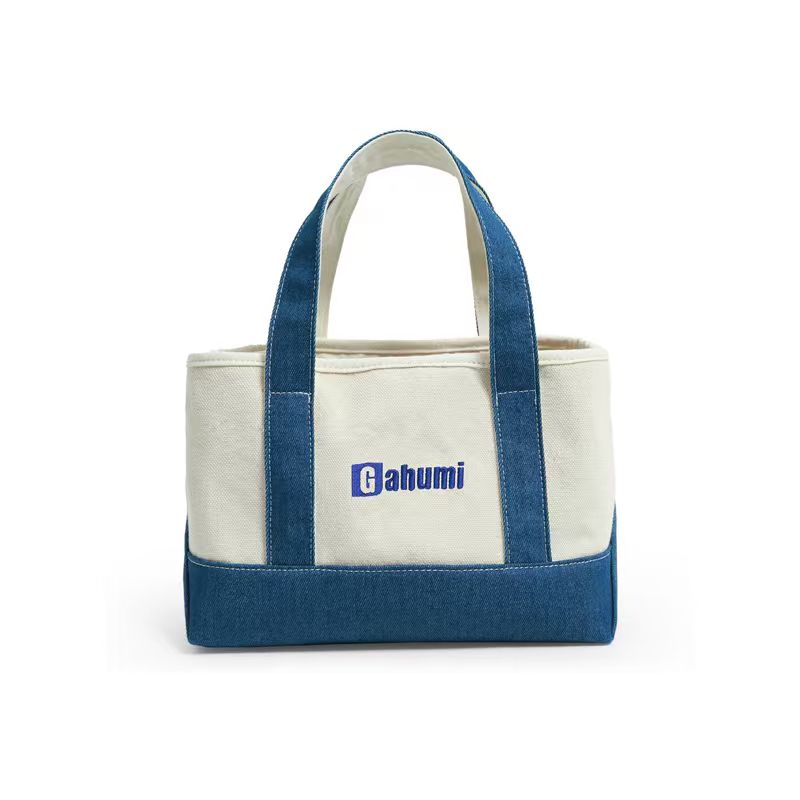
A barcode printed on a paper proof scans. The same design is proposed directly on a cotton tote, where the background and surface are different. Keeping the approved number does not settle whether that new physical reproduction suits the retailer’s scanning arrangement.
Cotton tote barcode print quality is a separate decision from allocating an identifier or preparing a hangtag. Start with the buyer-authorised fixed symbol, then ask whether direct printing on the selected fabric is an appropriate route at all.
Confirm the route before commissioning a print
Ask the retailer or its technical adviser to identify the required symbol, scanning environment and applicable specification. Show the actual cotton material, proposed print method and position. Request confirmation of what a verification provider could assess on this substrate, including any limitations.
Direct printing on cloth must not be presented as automatically capable of meeting a GS1 grade. A separate tag or label may need considering instead. The retail barcode and hangtag handoff covers identifier ownership and product records; keep those accepted data unchanged during this physical review.
Send the final surface, not an easier substitute
GS1 Ireland’s verification guidance requests final retail samples and explains that different materials or printers can produce different results. That is a useful distinction when a paper proof is offered for an intended textile print.
The sample brief should identify the fabric shade and finish, symbol artwork, final dimensions, clear surrounding area and intended position. Ask the technical reviewer what sample presentation is required. Do not stretch or compress the authorised symbol to fit an available gap.
Include the proposed finished arrangement. A printed area partly hidden by a handle or distorted in ordinary handling may not behave like a flat loose panel. Use representative contents for the agreed practical trial, without treating that informal exercise as a standard test.
Can a successful scan replace barcode verification?
A practical scan answers whether that scanner read that example under the recorded conditions. Formal verification evaluates specified symbol characteristics using appropriate equipment and methods. Ask which evidence the retailer actually requires rather than substituting one for the other.
GS1 Germany describes material, contrast, uneven surfaces and print defects as relevant factors. It also makes clear that a verification result concerns the tested symbol. Do not turn one report into a promise about every bag in an order or every later scanning environment.
Keep three records beside the accepted bag
Retain the identified physical sample. Add a practical scan log naming the scanner, bag presentation, conditions and result. Where formal verification is required and within the provider’s agreed scope, attach the report and the retailer’s acceptance decision. A report should not be silently extended to a replacement cloth or print process.
Keep a customer web-link QR code outside this brief; its destination and phone experience have their own QR approval workflow. This review does not create new source data.
Specify any 100% cotton body requirement separately from the printed material and other components. Scannability does not prove certification or an environmental benefit. A reusable retail bag needs an agreed complete specification as well as suitable identification.
Send Gahumi the authorised symbol, retailer requirements, bag reference, quantities and destination. Ask whether a suitable printing or labelling route can be assessed; neither direct-textile verification nor a particular result is assumed available.
Enquire about a barcode sample route Share the scanning requirements
Email the authorised artwork and technical scope to gzgahumibag@gmail.com.