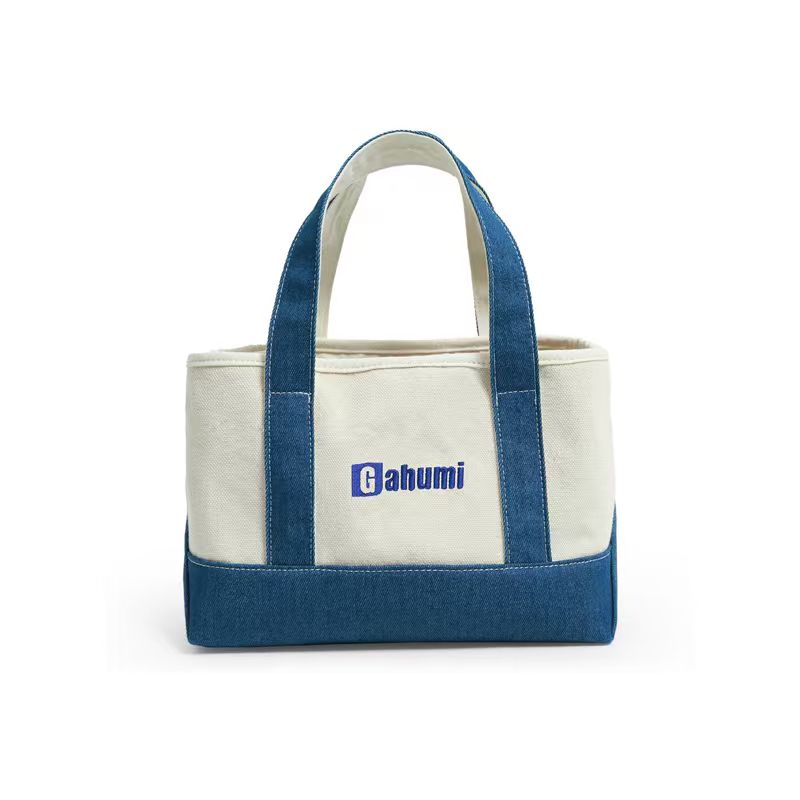
An illustrator approves the front of a tote. The shop then wants to crop the drawing for a second size, add it to a hangtag and use a photograph of the bag in paid advertising. A single “looks good” message does not explain whether all those uses have been authorised.
For an artist collaboration tote bag, clear the rights and the production artwork as two connected decisions. The buyer needs an agreed permission record; the printer needs the exact approved file. Neither should have to infer one from the other.
Identify who can authorise the work
Start with the specific illustration or photograph, not a folder called “artist images”. Record its title or reference, creator, source file and the person or organisation granting permission. If a gallery, agency or estate is involved, ask the buyer’s rights reviewer to confirm its authority and scope.
The UK Intellectual Property Office’s copyright guidance explains that owning an artwork is not automatically permission to reproduce it commercially. Permission may be licensed for defined uses, places and periods. This UK guidance is a starting reference, not a substitute for advice on a multi-country agreement.
A downloadable image, a social-media post or access to a shared drive does not by itself establish merchandising rights. Where ownership or permission is uncertain, pause production and obtain advice from an appropriate intellectual-property professional.
Write the intended uses before making the print file
Describe the actual project for the rights holder. “For marketing” is less useful than a list of the physical goods, sales channels and promotional uses being considered. Separate the bag itself from images of the bag used to sell it.
- The tote styles and approved artwork versions.
- Proposed quantities, including samples and any additional production units.
- Countries, sales channels and the agreed permission period.
- Any use on hangtags, packaging, websites, catalogues or advertisements.
- Permitted alterations, colour changes and placement options.
- Credit wording and the approval contact for proofs.
These are briefing questions, not a ready-made contract. Have the parties’ authorised advisers settle the terms, including any royalty, exclusivity, repeat-order or remaining-stock arrangements. Do not assume the factory can settle them on the buyer’s behalf.
Agree any cropping or colour changes
Agree permitted changes while the artwork is still editable. Show the full image and the proposed tote layout side by side. Mark cropping, colour reduction, moved elements and any added words rather than asking for approval of an unlabelled mock-up.
Some changes arise from the bag’s construction. A handle may cross the image, a seam may divide it or a smaller panel may leave less room for a credit. Link the rights discussion to the artwork size and placement brief, but do not mistake technical feasibility for permission.
Record the decision for each requested adaptation. If one colourway is approved and another remains open, label them separately. The production folder should not contain both as equally usable “final” files.
Connect permission to a production version
Give the approved layout a short reference and revision number. The same reference should appear on the proof, sample request and purchase-order artwork list. Store the permission confirmation with that reference so the team can show which version it covers.
Send production only the files and permissions needed to perform the agreed work. Ask how the buyer wants source files handled after the project and whether access should be limited. Agree this explicitly rather than promising a confidentiality or deletion practice that has not been arranged.
For a range with several artists, add a rights-status column to the design and quantity matrix. An approved design should not conceal another design’s unresolved permission simply because both share one bag construction.
Review the sample with the artist’s conditions in view
Check colour, image boundaries, credit placement and any restriction on changes against the approved record. Let the relevant rights approver see the representation they need: a digital proof, printed strike-off or finished sample, as agreed for the project.
Keep aesthetic approval distinct from order release. An artist can accept the illustration’s appearance while the buyer still needs to approve the bag dimensions or price. Record who signs off each part and which approvals remain outstanding.
Discuss the cotton or cotton canvas bag as something to carry after the exhibition or launch, not just as a surface for the image. Check that the illustration works with the actual handles and useful carrying space. An undated design may suit that aim if the rights holder agrees; it does not extend permission to manufacture another run or grant new promotional rights.
Before a repeat run, check whether quantity, time, destination or promotional use has changed. A new bag size or additional sales country may require the permission to be revisited. This is a review trigger, not a statement that every agreement uses the same limits.
Request a quote for the approved design
Send Gahumi your proposed bag dimensions, quantity by design, print position and delivery destination. Identify the approved artwork version and any production conditions that must be observed. Ask for feasibility and sample costs before authorising manufacture.
Email the production brief to gzgahumibag@gmail.com. Permission and contract terms remain for the authorised parties and their advisers; this article does not grant rights.