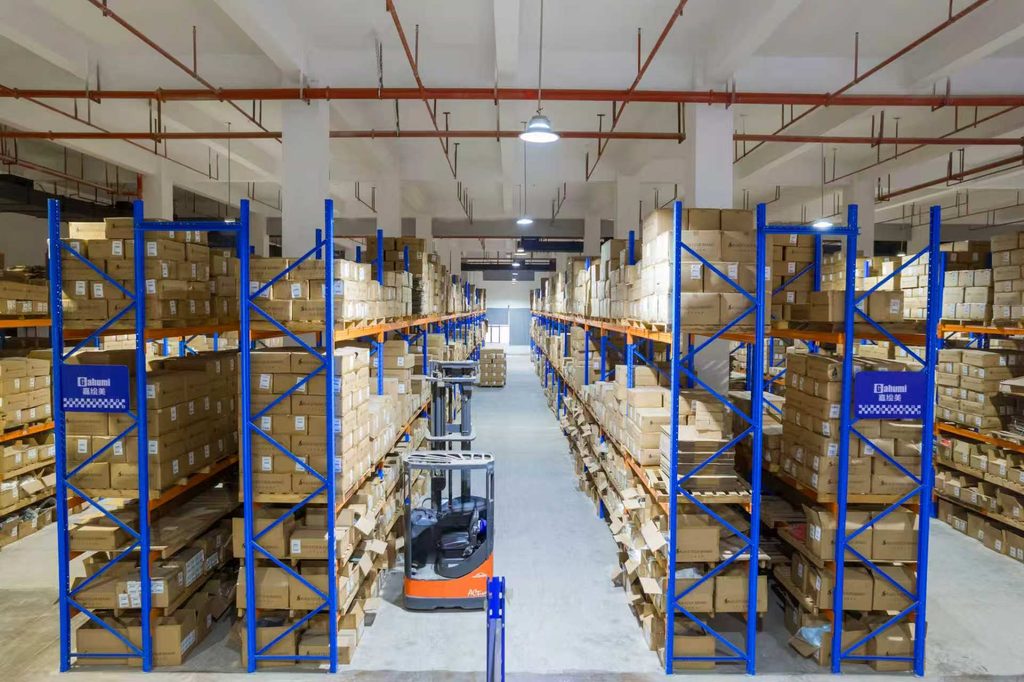
The ordered bags have been counted, but the project is not quite closed. There may be approved surplus, rejected units and retained samples carrying the same logo as the shipment. Those quantities need an agreed destination, not a vague note saying they will be dealt with.
Deciding what happens to remaining branded totes is separate from accepting the delivered order. Its purpose is to identify the remaining physical bags, agree who may authorise the next action and record what actually happens.
Count different kinds of remaining stock separately
Conforming excess bags are not the same as bags rejected for a print fault. Nor is a retained approval sample simply another saleable unit. Identify each category by order reference, design, revision, location and counted quantity.
An illustrative reconciliation might show 100 accepted bags dispatched, five conforming surplus bags held and three rejected bags held. That accounts for 108 physical bags at this point. These numbers are only a counting example, not a minimum order, an allowed overrun or a statement about Gahumi production.
Include the reason for a rejected status and its supporting reference. If the decision is still under review, record that uncertainty. Do not quietly move disputed bags into the accepted-surplus category to make the totals look complete.
Put logo-bearing stock on an identified hold
While a decision is pending, identify the stock that must remain separate. Ask the party holding the stock how it can be identified and kept from being confused with an authorised dispatch.
Record photographs against a bag or batch reference, rather than using an unidentified pile as proof of every unit. The image can support identification; the count still needs its own basis and date.
Do not assume that the supplier, buyer, illustrator or distributor can authorise resale, gifting or another use merely because their name appears in the project. Identify the person authorised under the relevant arrangements and resolve uncertain rights with the responsible adviser.
Ask about an option before instructing it
The possible decision might be continued holding, return, a proposed rework, removal of branding or another handling route. Ask what is feasible, who would do it, which units it covers, what evidence would follow and which charges or conditions need agreement.
These are questions, not services assumed to be available. A print fault may not be repairable. Removing a sewn label does not establish that a large printed logo has disappeared. If an option involves changing the bag, ask how the result would be checked before accepting it.
For rejected cotton bags, do not presume that reuse, recycling or destruction is appropriate or available. Consider the actual fault and the proposed recipient or handler. Any legal, safety or contractual questions need the relevant review before a route is authorised.
Close the quantity after the action, not before it
Keep written approval of the next action separate from the completion record. The first says what has been agreed; the second records the quantity handled, date, responsible party and supporting handover or result reference.
The GS1 supply-chain visibility guideline includes an example of an incorrectly recorded destruction event when the object remains in storage. The practical lesson here is simple: a planned action is not evidence that the physical action occurred. You do not need to adopt GS1 software to keep that distinction clear.
Reconcile the original held quantity against quantities still held, transferred or otherwise confirmed as handled. Leave an unresolved balance visible. Avoid declaring the project closed while the whereabouts of logo-bearing bags remain unknown.
Keep the product and environmental records accurate
Confirm body fabric and other components when considering any handling proposal. A requested 100% cotton body does not establish the composition of the thread, print or trims, or prove that a particular recycler will accept the complete bag.
Do not describe stock as recycled or responsibly disposed of on the strength of an instruction alone. Repeated use and environmental statements need support relevant to the actual bags and the completed route.
The delivery discrepancy record can help identify disputed quantities. Keep the related artwork permission brief alongside the stock decision without treating the two as interchangeable.
Send the order and design references to gzgahumibag@gmail.com. Any handling option needs confirmation for the actual stock.