A fabric specification says 340 g/m². The freight worksheet asks for the weight of one finished tote. Copying the first number into the second field would describe a square metre of fabric as though it were one bag.
Canvas tote bag empty weight is a property of the completed item. Fabric GSM is mass per unit area. The two are related during product development, but they answer different questions. Weigh the approved construction when the buyer needs a product listing, a packing estimate or a comparison between samples.
Identify which weight the buyer is asking for
Keep the finished bag, the individually packed unit and the shipping carton as separate records. State the unit beside every figure. A bag with its detachable pouch attached is a different weighing condition from the same bag without it.
Westford Mill’s W265 specification separates approximate product weight, fabric GSM and approximate carton weight into different fields. That distinction is useful; none of its figures should be transferred to a different Gahumi construction.
How much does a canvas tote bag weigh? There is no dependable single figure for every canvas tote. Size, panel area, handle construction, pockets, lining, decoration and other components affect the actual item. Ask for the weight of the identified sample, not a general answer based only on the word “canvas”.
Use an identified, complete sample
A finished cotton tote weight record should identify the sample, its drawing revision and the components present. Empty every pocket. Decide whether labels, hangtags, a removable base or detachable accessories are included, and keep that decision visible beside the result.
Use a suitable scale according to its instructions. Place it on a stable surface, check its unit and zero, and support the whole bag on the weighing surface without a handle resting elsewhere. Record the displayed result in grams and the conditions that could matter to a repeat check. For contractual or laboratory measurements, agree the equipment, conditioning and method with the responsible party rather than treating this practical check as a formal test standard.
A sample weight comparison should keep the included components consistent. Do not compare an unprinted development shell with a finished lined version and attribute the entire difference to the body fabric. The canvas fabric-weight guide helps with fabric selection; it does not replace this finished-item measurement.
Separate unit packing from the bag
For a cotton tote unit packing weight, weigh the actual agreed packed unit separately. Include only the sleeve, tag, insert or wrapping used in that configuration. If the packing is still provisional, label the result as a development estimate.
Can I calculate shipping weight by multiplying the empty bag weight? That gives only the bag contribution for the stated quantity. It leaves out unit packing, cartons and any other shipment components. It also does not establish the basis on which a carrier will charge. Ask the freight provider which actual packed measurements and commercial terms it needs.
Carry the approved packing configuration into the carton plan. A change in carton count or packing material needs a revised packing estimate, not an unexplained adjustment to the bag’s own weight.
Keep the result within what it proves
An empty bag weight is not a carrying limit. It does not show seam strength, handle durability or comfort with the intended contents. Those questions require their own sample assessment and, where needed, agreed performance evidence.
Nor is a lower result proof of lower environmental impact. For a reusable cotton tote, confirm the relevant component composition and the intended use before making material or environmental claims. Do not confuse a 100% cotton body specification with the mass or composition of every accessory.
Record whether the figure is an individual observation, an estimate or a value accepted under an agreed sampling method. Keep the approved sample reference beside it, and review the figure when the construction or packing changes.
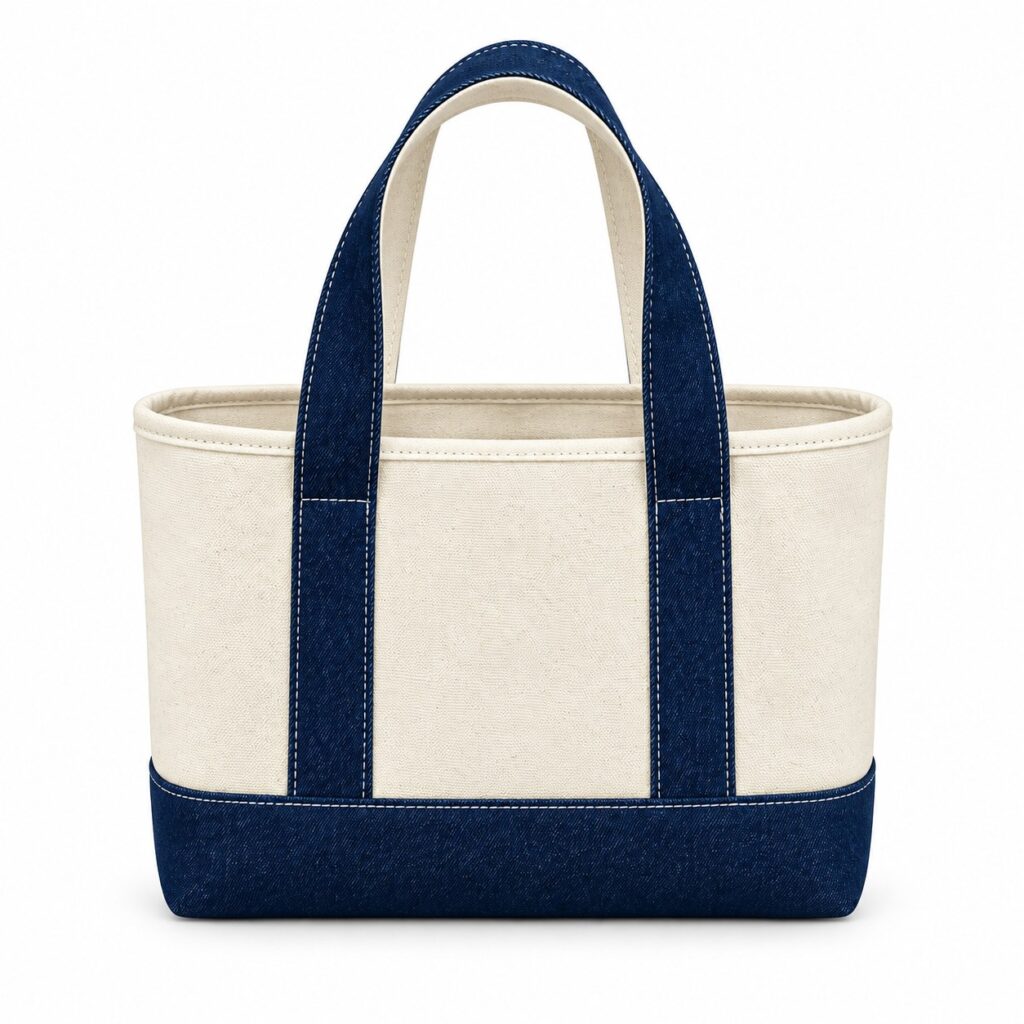
Send Gahumi the bag specification, components to include, proposed packing, quantity and destination. Ask for an identified sample and a project-specific weight and packing estimate. The exterior image illustrates a tote only; it is not evidence of a stated empty weight.
Alternatively, email gzgahumibag@gmail.com.