Stand at the shop counter and try to buy one of your own totes. Can you see the design, find the price, take one without disturbing the stack and hand over a clean bag? That short exercise reveals more about the display than a photograph of an empty shelf.
Cotton tote bag shop storage and display should work together. The display helps customers understand the product; the stock arrangement helps staff keep it presentable and replenish the right variation. Both can be considered while the retail bag is still being sampled.
Choose what the customer needs to see
A folded pile shows a graphic differently from a hanging bag. Decide whether the customer first needs to recognise the print, understand the shape or examine a pocket or closure. Try the intended display using the actual sample, not just its flat artwork.
Check where the price and product information will appear. A tag hidden inside a fold asks the customer to unpack the display. If one sample is shown open, make clear which sale stock corresponds to it, especially where several sizes or colourways are nearby.
For an illustration-led range, the bookshop and museum tote guide offers related design considerations. The display trial should still use your own artwork, shelf dimensions and customer route.
Test folded and hanging arrangements
Fold a sample in the proposed way and place it where the shop plans to sell it. Check which part of the print remains visible and whether the handle or tag becomes trapped. Unfold it again to inspect the result before approving the repeated fold.
For a hanging display, use the intended fixture. Check how the empty bag sits, whether neighbouring bags obscure the graphic and whether a customer can remove one easily. Do not infer a load rating for the bag or fixture from an attractive display.
Keep stacks within the space staff can manage. A very tall pile may be difficult to straighten after browsing. Record the preferred fold and a manageable replenishment quantity as shop instructions, rather than treating the display as a fixed part of every factory packing arrangement.
Separate the handling sample from sale stock
A bag used for demonstrating capacity or trying over a coat receives more handling than the rest. Identify it as the display sample and decide how staff will keep it presentable. Do not return a marked demonstration bag to clean stock without review.
If customers are allowed to try a bag with their own purchases, give staff a simple way to restore the display afterwards. Keep any demonstration contents clean and appropriate to the product. A shop trial is not evidence that the bag meets a particular weight or protective-performance claim.
Review the arrangement from a seated or lower viewing position too. The key information should not depend on reaching into the back of a high shelf. Where a display is difficult to use, discuss another location or a clearer sample with the shop team.
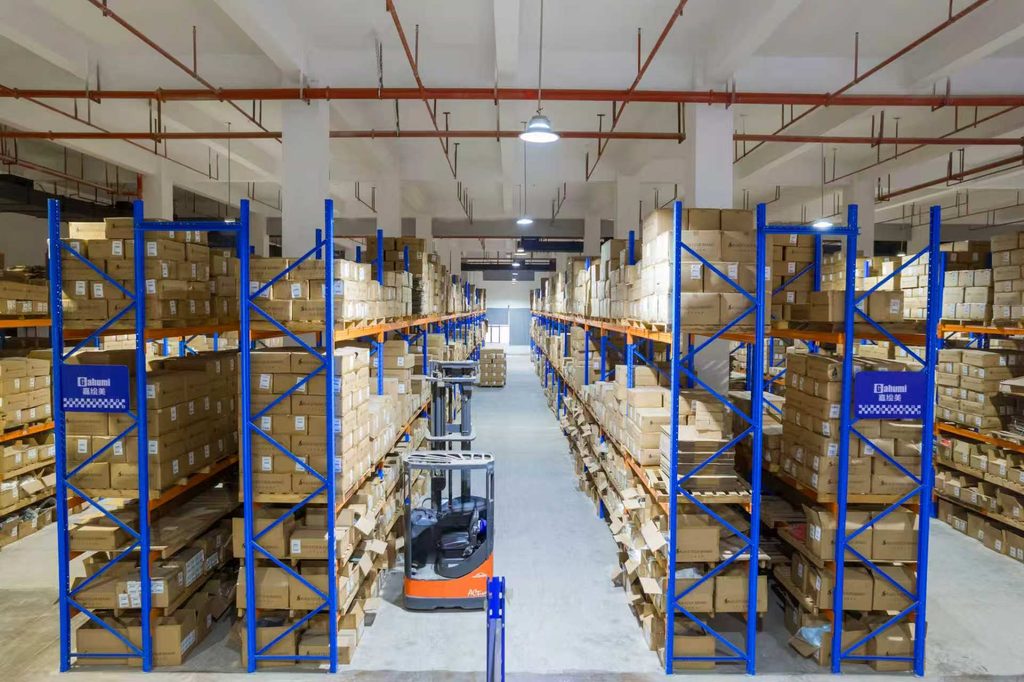
Store clean stock where staff can identify it
Keep reserve bags in a clean, dry area away from the floor, water sources and activities that may soil them. Follow any agreed storage guidance for the finished product and packaging. Do not seal away a bag that is damp after cleaning or handling.
Label the storage position with the same style and colour names used at the till. Keep designs separated where staff must replenish them individually. A small reference photograph can help distinguish similar graphics without opening every bundle.
Avoid leaving all reserve stock exposed to shop-window light while using the same bags as the long-term appearance reference. Keep an identified unused reference separately where practical. Storage precautions are useful operating measures, not a promise that cotton is fade-proof or resistant to damp.
Give replenishment a simple routine
Set a display quantity and agree who checks it. Refill by the shop’s defined unit, then inspect the visible front bag for marks, distorted folds or a missing tag. Keep damaged or uncertain items aside for review rather than mixing them into the next stack.
Record which designs need frequent replenishment using actual sales or stock data. A tidier display alone does not establish an increase in sales. Those records can inform the next assortment without assuming that every colourway should be reordered equally.
Include the shop setup in your bag brief
Send Gahumi the proposed shelf or fixture dimensions, bag design, quantities and preferred fold. Add any tag and stock-identification requirements, destination and target arrival date. Ask what sample and packing options can be confirmed for the project.
Confirm the finished bag’s care instructions before writing staff guidance for cleaning the display sample.
Prefer email? Send your brief to gzgahumibag@gmail.com.