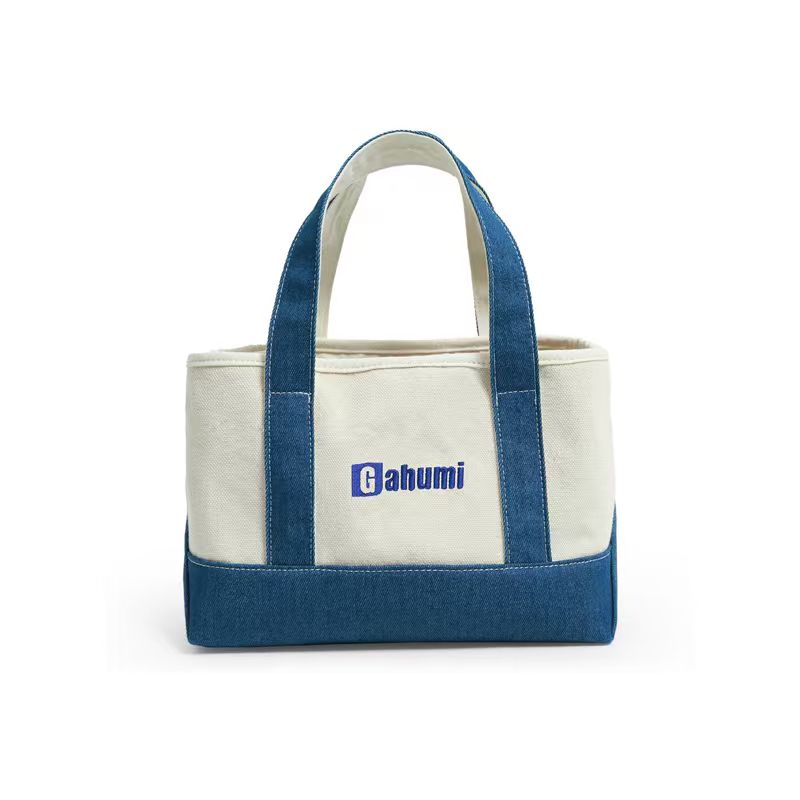
Three societies want the same bag shape, but each has a different logo and collection point. The artwork files arrive with names such as “final”, “new final” and “approved 2”. By the time the order is placed, nobody is quite sure which quantity belongs to which design.
Cotton tote bags for university societies need a version plan as much as a design. Whether one society orders alone or several groups coordinate a purchase, keep artwork approval, quantities and distribution responsibilities visible from the start.
Create a design register before requesting prices
Give each proposed design a short, unique code. Record the society name, artwork filename, print colours, printed sides, requested quantity and the person authorised to approve it. Use role descriptions in the supplier brief if personal contact details are unnecessary.
Keep the shared bag specification separate: finished dimensions in centimetres, handle arrangement, fabric colour and proposed weight in g/m². If one group wants a different size, mark it as another construction rather than burying the change in an artwork comment.
Ask the supplier to explain how price and quantity options work across separate designs. A combined total is not automatically the minimum order for each print version, and identical fabric does not mean artwork setup is identical.
Distinguish a shared format from a shared identity
A common bag format can make the project easier to administer, while each society keeps its own print. Agree which design elements must remain consistent and which can change. This is particularly useful when new committee members take over later.
Check who is permitted to approve university marks, society logos, illustrations and sponsor names. Use your institution’s own approval process; do not assume a logo found online is available for reproduction.
Before sampling, place each design on the same sized drawing and check it at the proposed print dimensions. Our cotton tote artwork guidelines explain how to separate file approval from approval of a physical print sample.
Quote the versions separately, then compare the project total
Request a clear breakdown for each design and the shared construction. Ask which assumptions change if a society reduces its quantity or adds another printed side. That makes the quote usable when budgets are approved at different times.
Do not let an attractive unit price hide a stock problem. A society expecting a smaller membership may prefer a lower quantity even if another option has a lower per-bag cost. Base the choice on your own distribution plan rather than an invented demand forecast.
The MOQ and quantity-tier guide covers the questions to ask. Sample terms, print-specific quantities and production timing still need confirmation for your order.
Test the contents students will actually collect
Build one sample pack using the printed society material, independently packaged merchandise or other items you intend to hand out. Check that the opening allows quick packing and that flat papers do not have to be sharply folded.
If the bag is intended for later everyday use, assess that separately with a realistic set of dry items. A one-off welcome pack does not tell you whether the same dimensions suit the later use you have in mind.
Where 100% cotton is a purchasing requirement, request composition confirmation for the specified construction. Avoid turning a fabric description into an unsupported claim about organic certification or environmental savings.
Give collection points a countable packing plan
List how many bags of each design go to each collection point. Use the same design codes on the stock sheet, packing instructions and internal carton labels. If groups will sort the bags themselves, check that the received packaging supports that process.
Work backwards from the required collection date, leaving time for your own approvals, sample review and local preparation. Ask the supplier to confirm a proposed timetable and delivery conditions. Do not print an arrival promise on publicity until it is agreed.
Before a committee handover, retain the approved artwork, sample reference, order quantities and any authorised changes. That record is more useful than asking next year’s team to reconstruct the project from a photograph.
Send a design-and-quantity matrix to Gahumi
Start with the shared construction, then attach one line for each design code and quantity. Add artwork, the collection-point split, destination and required availability date. Ask which sample arrangement will allow you to approve the relevant differences.
Gahumi can review the brief and discuss project-specific options; do not assume every version can be combined on the same terms. Use the enquiry button or email gzgahumibag@gmail.com with your version register.