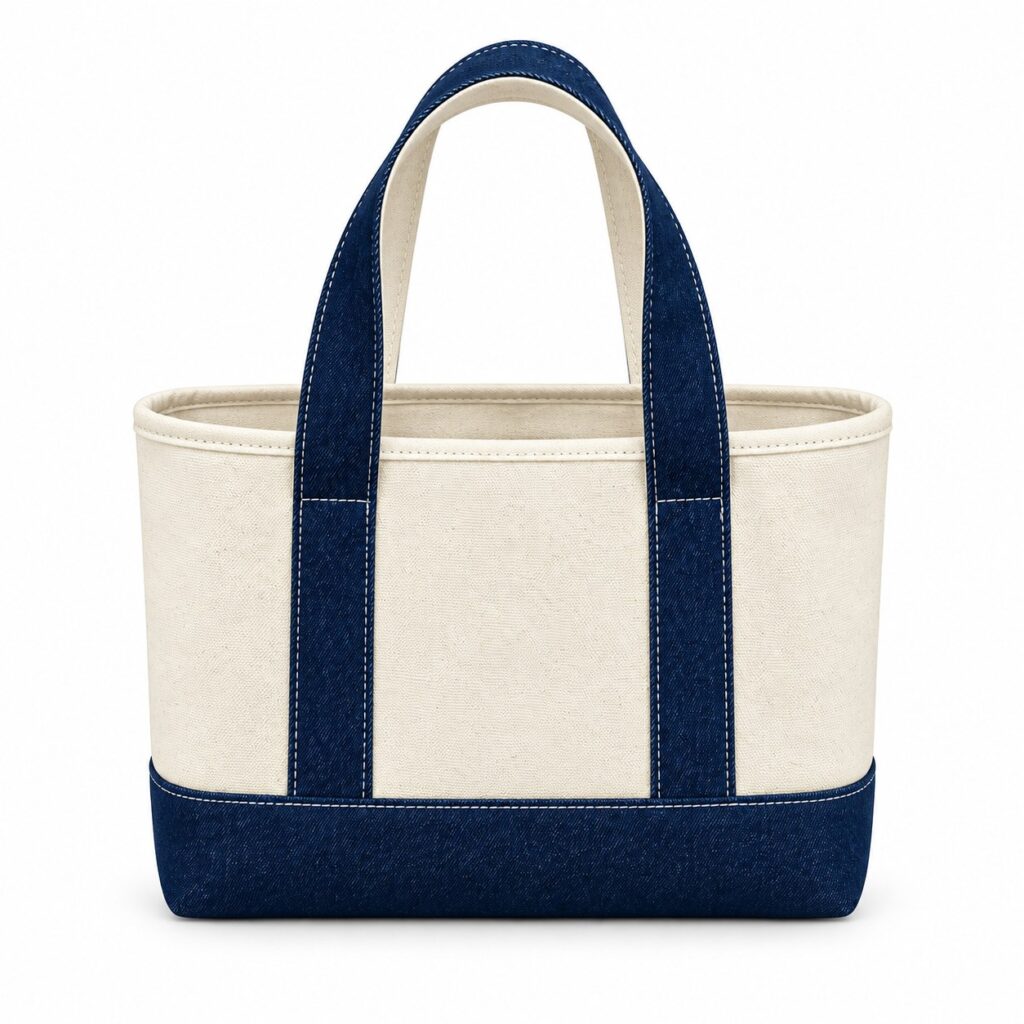
An importer receives a tariff code with the description “canvas bag”. The proposed product is a lined cotton tote with a zip, internal compartments and a particular retail use. Before accepting the code, the importer needs to know whether the classification review considered that actual item.
A cotton tote customs classification brief gives the responsible adviser an identifiable product to assess. Its purpose is better evidence for the decision, not an automatic code for every bag described as cotton or reusable.
Describe the whole article rather than one material
Prepare the cotton tote product description for customs around the proposed finished item. Include intended use, overall form, opening and closure, handles or straps, lining, compartments and other relevant construction. Attach dimensions in centimetres and an identified drawing or specification.
List the materials and their component scope using supporting records. If the body is specified as 100% cotton, distinguish it from the lining, thread, fittings and decoration. A fabric supplier’s name or an exterior photograph cannot establish the composition of the whole bag.
Give the reviewer clear photographs of the front, back, open interior and any feature needed to understand the article. The product photograph brief helps keep those views truthful and connected to one version. A styled image with the opening hidden may be useful marketing but incomplete product evidence.
Keep a sample connected to the written facts
A tote classification sample reference should identify the exact physical example being described. Mark any difference between a development sample and the planned commercial item. The adviser should not have to guess whether a visible pocket or lining will remain in the order.
Where several tote versions are proposed, record their differences rather than assuming that a shared fabric name settles classification. Ask the importer or customs adviser which differences require separate review and whether a sample is needed. Supply the actual information requested.
Can I use another tote supplier’s tariff code? Treat it as a reference to investigate, not the decision for your goods. Another bag may have different characteristics, and a code in a quotation does not explain the classification basis or its applicability to the proposed import.
Distinguish advice from a binding decision
The European Commission’s EBTI guidance explains that Binding Tariff Information is a customs authority’s legal classification decision. It asks applicants to provide a detailed, accurate description, with images or samples where possible, and a separate application for each type of product.
Is general customs advice the same as a BTI decision? No. The Commission distinguishes general advice from binding information. If certainty is needed for planned EU imports, ask the responsible customs professional whether a BTI enquiry is appropriate and which authority and application route apply.
An EU tote BTI enquiry should identify the applicant and exact goods to be covered. A public database result is useful context, not permission to treat someone else’s ruling as your own. Have the adviser check scope and validity rather than relying on an old screenshot or assuming retrospective effect.
Return the conclusion to the actual shipment record
A tariff classification evidence handoff should retain the product description revision, evidence supplied, reviewer, conclusion and any applicable decision reference. Keep open issues visible until the responsible person has resolved them. This article assigns no tariff code, duty rate or tax treatment.
Send the accepted information to the people preparing the commercial invoice and other shipment records. Classification, origin, valuation and the physical packing description are distinct questions; one completed field does not answer them all.
If the material, construction or purpose changes, tell the adviser before carrying the earlier conclusion into another order. The accepted amendment record should identify what changed, not merely attach a new picture under the original product name.
Reusable cotton construction and environmental marketing do not establish a customs treatment. Keep those claims within their own evidence, while giving the classification reviewer factual information about the item being imported. EU classification procedures should not be presented as a single rule for every European destination.
Send Gahumi the proposed tote specification and the factual product information your appointed adviser requests. Ask which component records, drawings or samples can be considered for the enquiry. The customs decision remains with the responsible parties and authorities.
Written requirements can be sent to gzgahumibag@gmail.com.