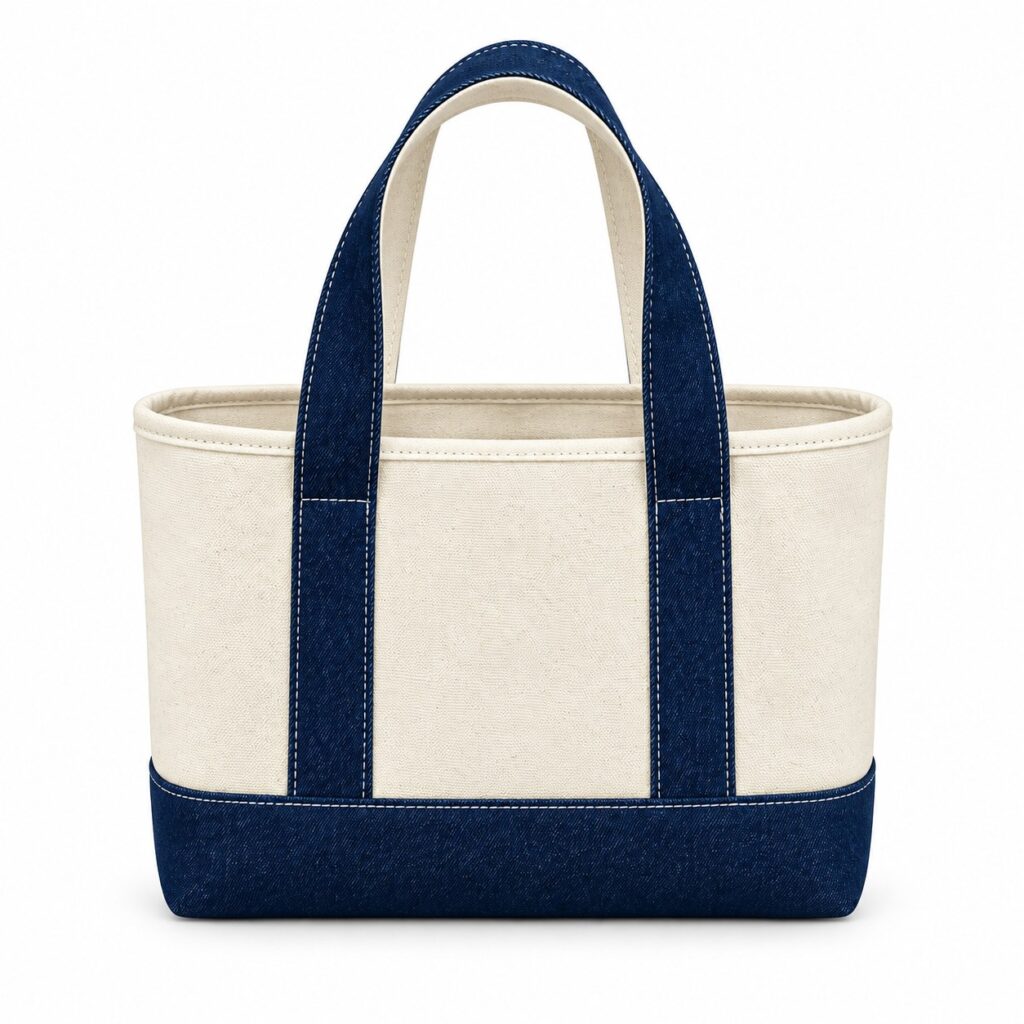
A buyer opens a cotton tote inspection report and sees twenty bags checked. The order contains several thousand units in four prints. Without knowing how the twenty were chosen or what decision rules applied, the number alone says very little about the delivery.
A cotton tote inspection sampling plan defines the group being assessed, the selection of bags and the rules for reaching a lot decision. Agree it with a competent inspection provider before the visit. It is separate from deciding whether a particular print mark or missed seam is a defect.
Begin with the bags covered by the decision
Define the lot by listing the tote versions, production groups and quantities covered by the inspection. A navy canvas tote with embroidery and a natural cotton tote with a large transfer may share an order number without presenting the same inspection questions.
Show the provider the quantity per design, material differences and relevant production information. Ask how those differences affect the proposed grouping and inspection. Do not combine unrelated versions into one lot merely because a larger total looks simpler on the booking form.
For an order with several designs, state which variants the inspection covers and how findings will be reported for each. Link it to the accepted design and quantity matrix, while keeping ordered quantities distinct from the actual goods available for inspection.
Selection matters as much as the sample count
ASQ’s introduction to sampling explains using part of a population to draw conclusions about that population and identifies bias as a source of error. For a bag buyer, that is a reason to ask how the physical units will be selected, not a reason to choose a convenient number unaided.
Random bag sample selection should follow the agreed method with access to the defined stock. A small collection put aside because the bags look particularly good is not interchangeable with a sample selected under that method. If cartons or styles cannot be accessed, the report should preserve that limitation.
Give the inspector the accepted bag specification, sample references and project-specific defect definitions. Otherwise the team may select bags consistently but judge them against different expectations.
Is an AQL a guaranteed defect rate?
No. Do not read an AQL value as a promise that a particular percentage of this delivery is faulty, or that every accepted lot contains fewer than that percentage of nonconforming bags. Have the inspection provider explain the chosen system, its applicability and the risks of the sampling decision.
The NIST handbook’s acceptance-sampling explanation distinguishes the sampling decision from the underlying lot quality and describes the possibility of accepting or rejecting lots at different quality levels. The practical lesson is to understand the decision’s limitations, not to copy its illustrative numbers into a bag order.
Record the agreed inspection basis, sample size and acceptance or non-acceptance rules before the results are known. This article supplies no recommended AQL, sample-size table or default limit for cotton totes.
Also clarify what is being counted. Several observations on one bag are not necessarily the same as several affected bags. The report and decision method must use consistent definitions.
Keep the result within its scope
Does a sample inspection check every cotton tote? No. It examines the selected units under the stated scope. Ask which conclusions concern the lot decision and which checks, such as a specific measurement, were performed only on identified units.
A visual inspection cannot establish that a fabric is 100% cotton, certify an environmental claim or replace the appropriate performance evidence. Those requirements need their own suitable verification. Intended reuse is a product objective, not an outcome established by a sampled appearance check.
Keep the report, agreed plan, identified findings and buyer’s disposition together. If a limitation prevents the intended decision, ask for a qualified proposal to resolve it rather than quietly treating an incomplete check as a pass. The seam review guide can help describe individual observations, but it does not select a statistical plan.
For a Gahumi enquiry, send the proposed cotton tote versions, quantity split and the inspection requirements your buying team wants considered. Ask which arrangements can be agreed for the actual project before booking an outside visit.
Email the product references and proposed inspection scope to gzgahumibag@gmail.com.