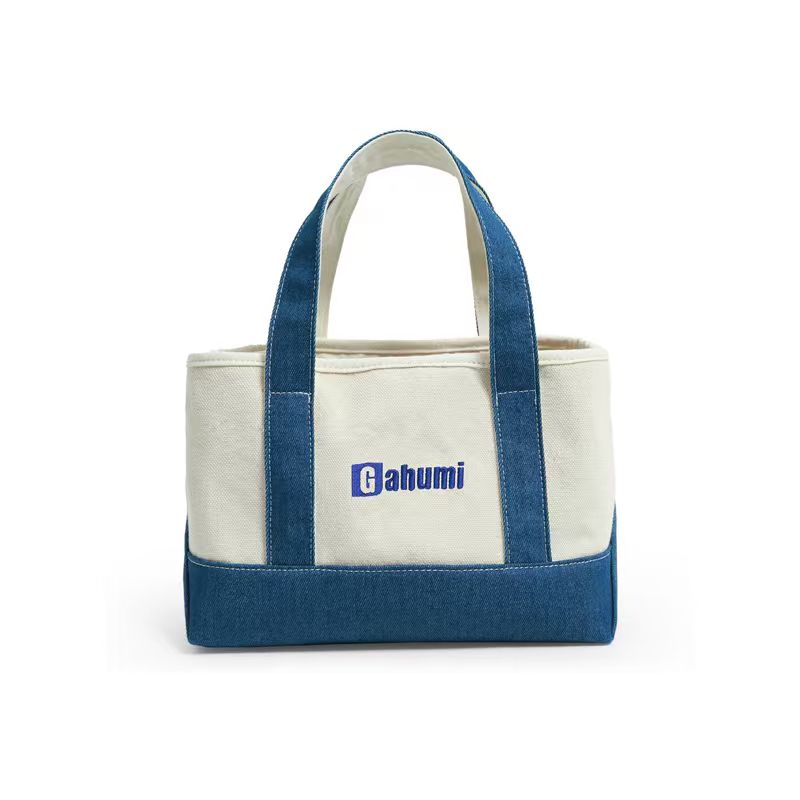
A customer brings back a printed tote with a damaged pocket. The shop can see the problem, but the repairer needs more than a photograph and an instruction to make it good. Which bag is it? What work has the customer agreed to? Is a visible patch acceptable?
A cotton tote repair handoff connects the physical item, the customer’s request and the repairer’s assessment. Retailers considering a repair route should establish the arrangement with a suitable provider before inviting customers to send bags.
Start with one identifiable item
Keep the intake reference with the bag throughout assessment and return, linked to its style, colour, print version and any available order or batch detail. Label the outer package without unnecessarily sharing the customer’s personal information with every party involved.
Record the condition on arrival, the location of the damage and any loose parts received. Photograph the whole bag as well as the affected area. Do not let several similar cream canvas totes become an unidentified pile while waiting for a repair decision.
What should a customer send with a damaged cotton tote?
Ask for the bag reference if known, a description of the problem, clear photographs and relevant use or care information. Let the receiving repairer specify how the bag must be prepared and whether it should be sent at all. Follow the bag’s established care guidance; do not introduce a new washing treatment merely to meet an intake request.
For comparison, Patagonia’s own repair intake asks customers to identify the product and describe the repair, and explains that some issues cannot be repaired or matched exactly. Those are useful communication principles, not services, terms or turnaround times that apply to Gahumi totes.
Approve the proposed work, including its appearance
Before a printed bag is repaired, agree exactly what work is proposed. Ask who approves the charge, whether a repair might cross the artwork, which replacement materials are proposed and what should happen if assessment finds a different problem.
Agree how the repair may change the bag’s appearance, especially where it affects the logo or colour-block layout. A contrasting patch may be welcome to one customer and unacceptable to another. Agree what can change before work begins, and ask the repairer to stop for further agreement if the original proposal is no longer suitable.
The approved care information and original sample record can help explain the bag. They do not by themselves establish the condition of a used item. Confirm fabric, print and trim details from the actual specification, including the scope of any 100% cotton description.
Return the result, not just the parcel
After the repair, record the work completed, any material changes, the checks performed and any limitations explained by the repairer. Compare the result with the accepted proposal. Do not describe a visually tidy repair as restoring an untested load rating or the original service life.
What if a cotton tote cannot be repaired?
Obtain the customer’s agreed next instruction through the responsible retailer. Do not presume permission to keep, donate, recycle or discard the item. A proposed reuse route needs its own suitability decision; a repair enquiry does not prove a completed environmental benefit.
If repair information is part of your next tote range, explain the intended intake route and the product facts your repair partner needs. Ask what supporting specification information can be agreed before placing the order.
For a new project, send the style reference and repair partner’s information request to gzgahumibag@gmail.com. Repair feasibility and provision must be confirmed separately.