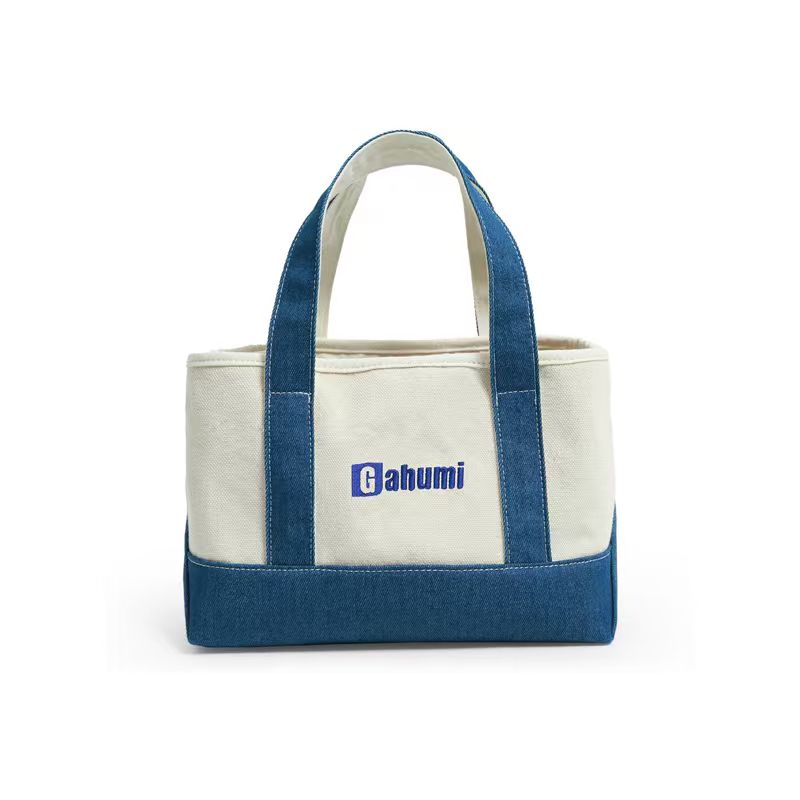
The printed panel looks rough in one area. Someone calls it faded; someone else says it is only the canvas texture. Before changing the colour or rejecting the cloth, describe what is actually visible.
Cotton tote screen print fibrillation is one possible technical topic to raise when fibres appear through an inked surface. A buyer’s observation record should help the printer investigate, not turn a close photograph into a confident diagnosis.
Recognise the question without claiming the cause
Avient’s screen-printing technique guide describes fibrillation as garment fibres projecting through the ink and creating an unwanted rough surface. It discusses fabric and printing factors. Its garment examples do not prove what has happened on a particular cotton canvas tote.
Are visible fibres in a cotton tote print always a print defect? Not automatically. Compare what is observed with the agreed appearance requirement and retained reference. Ordinary weave, loose lint, an incomplete-looking print and fibres protruding through ink should not all receive the same label without review.
Keep a matched blank beside the printed sample
Ask for an identified unprinted reference from the proposed cloth and a completed print example from that cloth. Record the fabric side, finish and batch where available. A smooth sample from another material is not a useful comparison for a textured production canvas.
Photograph the whole decorated panel and the area of concern under consistent lighting. Mark its location on a simple print outline. Inspect the physical surface as well; camera sharpening and lighting can make texture appear different.
For example, a dark solid shape may show a small rough area while nearby lettering looks unchanged. Record those two observations separately. Do not describe every area as failed simply because one close-up needs investigation.
Capture when the change was seen
Was the condition present on arrival, noticed after ordinary handling or observed after an agreed cleaning trial? Keep those stages distinct, with sample identity and dates. Do not scrub, shave, brush or heat the original example before the printer has reviewed it.
The care review defines any planned cleaning comparison. It should not be retrofitted to an undocumented sample and then presented as evidence that washing caused the condition.
What should the printer receive when fibres show through the ink? Send the unaltered example, matched blank reference, artwork, observed location and history. Ask the team to assess the material and process and explain any proposed change. Leave mesh, ink additives and machine settings to the responsible technical provider.
Review a correction against the same appearance brief
If a revised cloth or print proposal is offered, compare it with the original and accepted target. Recheck important detail and panel feel, not just the rough area. Keep the replacement identified rather than quietly treating it as the original specification.
This is not a fabric abrasion grade, a colourfastness result or proof of curing. The curing verification guide addresses a separate release question. A tidy-looking surface alone does not settle it.
Confirm the cotton body’s composition separately from decoration and other components. Surface acceptance does not establish organic status or environmental superiority. If repeated use is the objective, the finished bag still needs suitable construction and supported care.
For a Gahumi enquiry, include the print appearance requirement and any unaltered observations with the bag specification and quantities. Ask what comparison samples or technical review can be arranged; no particular corrective process or laboratory service is assumed.
Request a print-surface review Send the surface observation
Email the sample history and fabric references to gzgahumibag@gmail.com.