A laboratory sends a quotation bearing an accreditation logo. The buyer recognises it and is ready to book tests for a cotton tote order. Before approving the cost, there is another question to ask. Does the laboratory’s recognised scope cover the work being purchased?
When choosing a laboratory to test cotton totes, check what its accreditation actually covers. The accreditation is not a certificate for the finished bag. Check the actual provider, location and activities rather than treating a logo as a blanket approval of every test in the quotation.
Find the provider in the accreditation body’s register
ILAC describes accreditation as an independent evaluation of competence and impartiality for specific activities. Testing laboratories are assessed against ISO/IEC 17025. That is different from a factory management-system certificate, a product certification or an inspection visit.
Start with the laboratory’s legal name, address and accreditation number. Find the relevant accreditation body’s official directory independently, rather than relying only on an attachment supplied with the quotation. Compare the listed organisation and sites with the provider that will perform the work.
Check the current accreditation schedule and status, not just a dated certificate image. UKAS’s verification guidance explains that its schedules describe technical scope and that the website’s current schedule is the essential reference for the organisation’s accreditation status. For another accreditation body, use its own official verification guidance.
Match the proposed work line by line
Prepare a short comparison with four columns: the test requested for the tote, the proposed method and edition, the relevant scope entry, and any point requiring confirmation. Include the material or product category and performing location where the schedule identifies them.
A laboratory’s ISO/IEC 17025 scope may cover some textile tests but not every assessment you need. A familiar method number alone is not the whole match. Ask the laboratory to explain uncertainty about the material, method version, range or site, and retain its written answer.
If the laboratory operates a flexible scope, ask how it confirms that the particular work is included and what current supporting list or confirmation is available. Do not conclude either coverage or exclusion from an abbreviated directory description without clarification.
Does an accredited laboratory mean every test is accredited? No. Ask the provider to identify the status of each quoted activity. A mixed quotation should not conceal which results will be issued within the recognised scope and which will not.
Resolve subcontracting before the samples leave
If any test will be subcontracted, identify the laboratory that will carry it out and agree how the result will be reported. Ask whether work will move to another laboratory or site, who will issue the result and how its accreditation status will be identified. Check the relevant provider rather than assuming that the first laboratory’s logo covers the whole route.
Have the buyer’s responsible technical person decide whether the proposed evidence meets the customer’s requirement. An explicitly non-accredited activity is not automatically a fabricated result, but it must not be presented as accredited work. If the customer requires a particular scope, an unexplained substitution should remain unresolved.
The supplier prequalification guide concerns a different appointment decision. Likewise, arranging an outside inspection visit does not confirm the competence or scope of a laboratory that may later receive specimens.
Connect the report to the tote being purchased
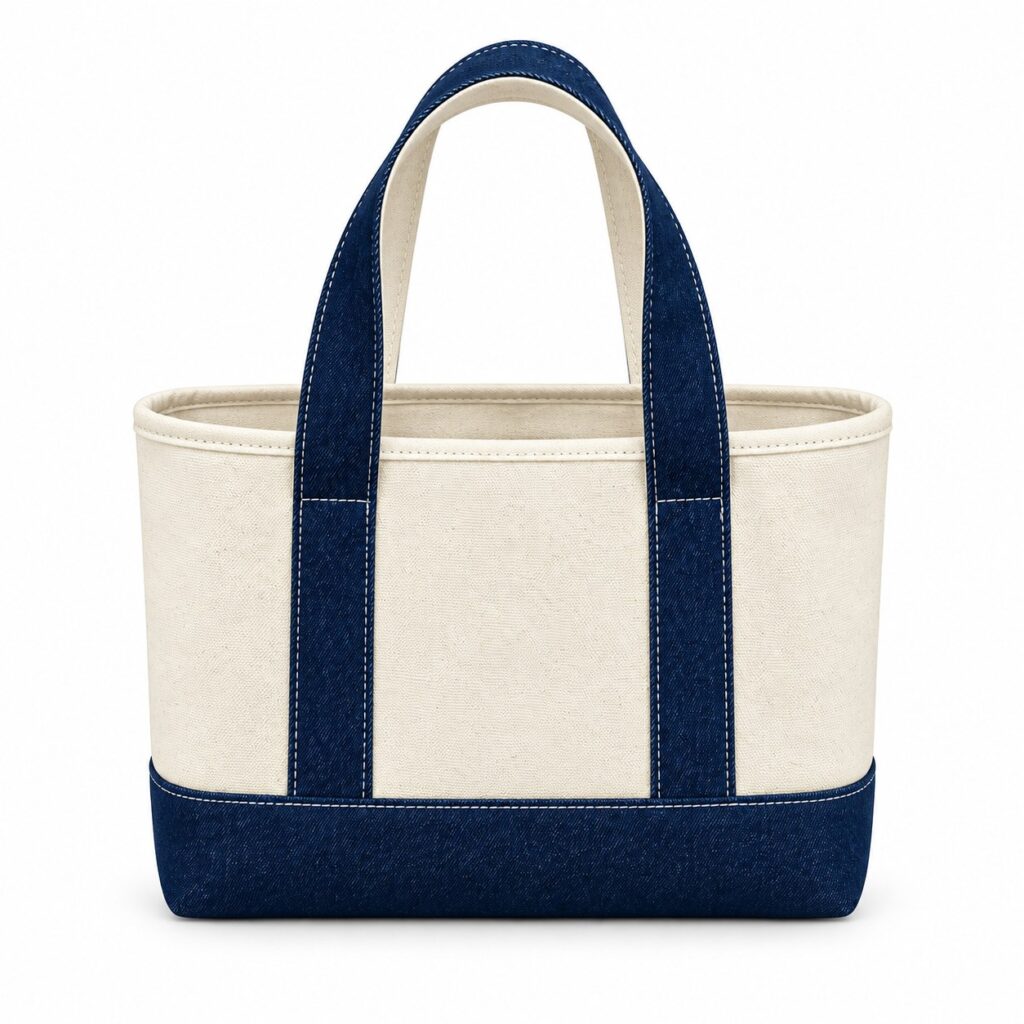
The test report should identify the fabric or bag submitted, including its reference, colour, finish and the component tested. Agree the submission description and photographs before dispatch. A report on body cloth should not quietly become evidence about every handle, lining or printed area.
Does an accredited result prove the whole tote is compliant? No. It concerns the identified work and specimen within its reported scope. The customer’s market, product requirements, untested components and any claim still need appropriate review. The chemical documentation checklist addresses the separate material-evidence package.
Confirm requested cotton composition and environmental claims with suitable evidence rather than borrowing the laboratory’s status. Keep the quotation, scope check, sample submission and final report together so the next buyer can see what was actually commissioned.
Tell Gahumi which bag components and customer requirements need evidence. Share the proposed testing brief and ask what sample preparation or external-service arrangements can be discussed. No accreditation, existing report or in-house laboratory capability is assumed.
Email the project requirements to gzgahumibag@gmail.com.