Buying coloured canvas and dyeing an assembled tote are different development routes. Before requesting a particular washed or vintage appearance, establish which route the provider proposes. The stage at which colour is introduced determines what the buyer needs to see for approval.
For garment dyed cotton tote bags, the finished construction belongs in the colour discussion. A swatch can help identify a cloth, but it cannot show every relationship between a sewn body, handle, seam and later decoration.
Identify the stage, not just the colour name
CottonWorks defines garment dyeing as dyeing or tinting after the item has been cut and sewn. The distinction for a tote enquiry is therefore whether the proposed colouration happens to fabric before assembly or to the assembled item.
A cotton tote dyeing sequence should identify what is present at that stage. Are the handles attached? Is a lining already included? When are the label, fastening and graphic introduced? Ask the provider to describe its actual proposal rather than assuming every part enters the same process together.
This is a route-selection enquiry, not an instruction to dye an existing bag. Suitable materials, components and processing need the responsible provider’s review. Gahumi’s ability to support a post-assembly route must be confirmed for the project.
Use the two routes to ask different questions
With pre-coloured cloth, the material references and accepted shades are available for review before cutting. The fabric batch-shade guide addresses that approval. A finished sample still needs to show how the selected body and handles look together.
With a proposed post-assembly route, ask which development sample represents the intended construction and what final appearance will be assessed after processing. A completed bag in another cloth or with different thread is not a complete reference for the proposal.
Should a fabric swatch approve a garment-dyed tote? Not by itself. It does not show the colour relationship across the complete sewn item. Keep the fabric reference, process proposal and finished colour sample connected, with unresolved component questions clearly assigned.
The choice is not a universal ranking of price, softness or environmental performance. Ask for the quote and sample work associated with each feasible route. If only one can be supported, make that limitation visible before designing a range around the other.
Define the appearance you will accept
A garment dyed tote colour reference should identify the physical sample and the appearance being approved. Is the aim an even-looking surface, a particular variation around seams or a deliberately irregular effect? Use original reference material and explain what matters to the design.
Westford Mill’s W348 listing names a garment-dyed tote and notes possible colour variation and fading. This is a useful reason to discuss variation explicitly. It is not a rule that every proposed process gives the same effect, or permission to borrow that product’s certification or care wording.
Agree which differences are accepted and which require another sample or clarification. Keep the accepted reference protected from unnecessary light and handling. An aged shop display should not silently become the colour target for a new production run.
Does garment dyeing guarantee a vintage finish? The process name alone does not specify a particular appearance. Ask the provider to connect the proposed route to an identified finished reference and explain the variation it expects for that proposal.
Bring decoration and measurements into the release
A decoration after dyeing brief should state the intended graphic, placement and the actual processed cloth on which it will be assessed. If another sequence is proposed, have the technical provider explain it. A print approved on an untreated blank does not automatically approve the final combination.
Check the finished dimensions at the agreed approval stage. Manufacturing-stage processing and later customer care are separate records. Where dimensional-change evidence is required, use the testing brief rather than interpreting a dyeing description as a shrinkage result.
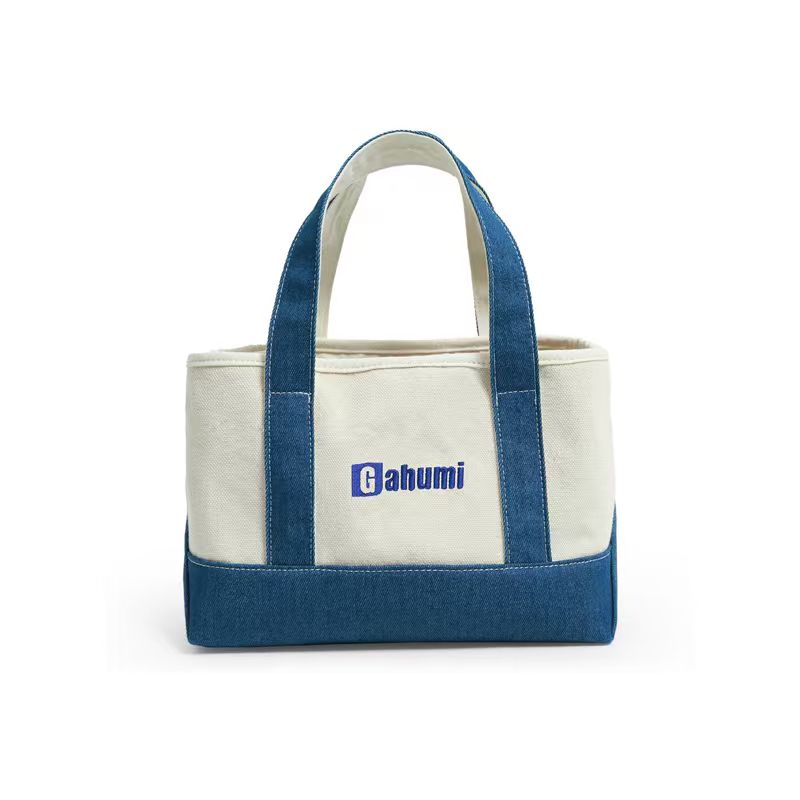
Confirm cotton composition for the relevant components and obtain suitable support for any public material claim. Record the proposed care and its basis for the whole bag. The exterior tote image is not proof of a garment-dyed finish.
Send Gahumi the desired colour reference, bag construction, artwork, quantities and destination. Request confirmation of the feasible colouration route and a sample plan showing the final appearance before bulk approval.
Email the reference and construction details to gzgahumibag@gmail.com.