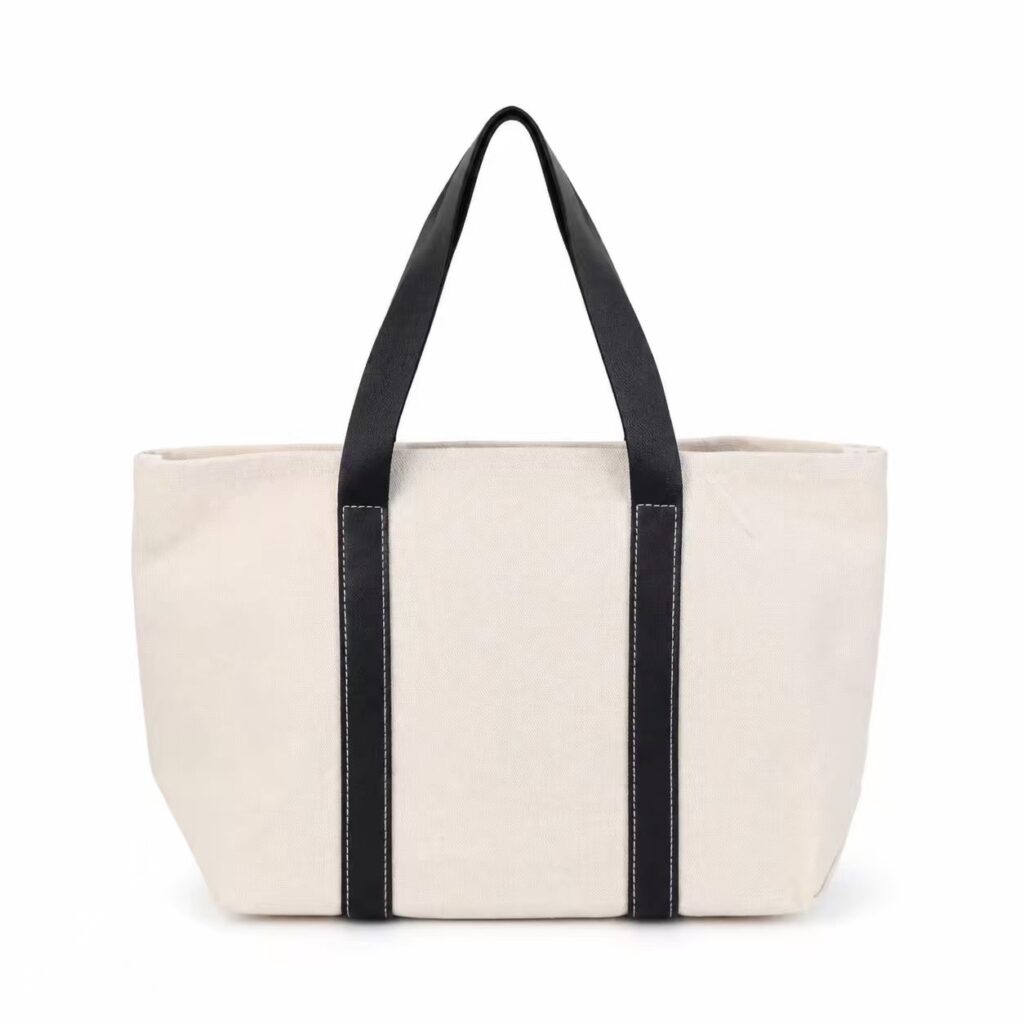
A tote range is ready for two retail markets, but the information is not. The hangtag uses an old composition line, the translated care text describes a different sample and the product page has kept a claim removed from the print proof. Translating each file separately has created three versions of the bag.
Multilingual cotton tote bag labels and product copy should start from the same approved facts. The goal is not to put every language on every surface. It is to give each market the information it needs, approved by the right people, without changing the product’s meaning.
Decide which information belongs in the review
List the physical bag label, hangtag, packaging, online listing and any accompanying instructions. Identify the countries where the product will be made available to customers, rather than using the delivery warehouse’s country as a proxy for every destination.
Have the buyer’s product-compliance reviewer establish what requirements and any exemptions apply to the actual product. The EU’s textile-label guidance explains fibre-composition and language requirements for products within its scope. It does not mean that any generic label automatically makes a particular tote compliant. Check the current rules for the intended markets, including the UK separately where relevant.
Keep legally required information, approved care instructions, optional marketing copy and stock-control data as distinct fields. One translation approval should not silently serve as approval of their factual or regulatory basis.
Make a source text sheet before translating
Give each piece of text a reference: product name, component description, care line, claim, credit or web address. Write the accepted source text beside it, with the product and artwork version to which it applies. Include the person responsible for approving the original facts.
A useful sheet also records where the text will appear and any space constraints in millimetres. Give translators the actual label layout, not only a word list. A phrase that fits a web page may become unreadable when squeezed into a sewn label.
Do not invent a cleaning instruction for the sake of completing the sheet. The finished-bag care review covers how to establish a basis for that text. Translation begins after the underlying instruction has been accepted.
Choose language versions for the intended markets
Map destinations to the languages confirmed by the responsible market reviewer. Then decide whether one reviewed multilingual version or separate local versions make sense for the order. Consider readability, tag size, stock control and the possibility of bags moving between shops.
Do not assume English alone is acceptable everywhere, or that adding all available translations is always the right answer. The relevant rules, intended destinations and actual layout should determine the brief. Resolve uncertainty before approving production quantities.
For separate versions, assign distinct references and connect them to the quantity matrix. A fabric colour and graphic can remain unchanged while the label language creates a different stock-control requirement. Ask the supplier which version separation is feasible and how it affects sampling, price and packing.
Give the translator context, not a claim to improve
Ask for accurate local wording that keeps the accepted scope and limitations. A specific statement about a cotton body should not become a broader “all natural” promise. A translation should not add organic, recycled or performance wording because it sounds more attractive.
Provide a terminology list for brand names, fabric references and any words that should remain unchanged. Have a competent local-language reviewer check both meaning and presentation. Automated translation can assist a draft, but it is not the final product-information approval.
Where text makes a regulated or environmental claim, refer that translation back to the responsible reviewer as well. Language fluency and legal or technical approval are different tasks. Record both where both are needed.
Proofread the text after it has entered the artwork
Check the actual-size proof for missing accents, substituted characters, broken words and unintended line breaks. Compare each field with the approved sheet. Then check a physical sample where the print or label process could affect legibility.
Plan what information should stay accessible when a customer removes the swing tag from a cotton or cotton canvas tote intended for repeated use. Have the market reviewer confirm what must stay on the product and where it belongs. Avoid adding a second decorative label that merely repeats the first; any material and care wording still needs to match the finished bag.
Inspect the reverse and inside, not just the front graphic. Make sure the label can be found and read in its proposed position. Our sample approval record can hold the accepted text and layout references alongside the bag specification.
Name the person who can approve all the language versions for production. Record superseded files clearly, and ask the retail team to update the product listing from the same accepted source. A corrected hangtag should not leave an earlier online claim in circulation.
Include markets and languages in the enquiry
Send Gahumi the proposed bag, quantity by language version, destination markets, approved copy and label dimensions. Identify who will provide translations and who will approve them. Ask which label, printing and packing arrangements can be supported, with costs and sample timing confirmed for the project.
Email gzgahumibag@gmail.com with the approved brief. Check market-specific legal and product requirements with the responsible adviser.