The panel edges are square, but a line in the cloth appears to curve across the bag. Moving the artwork box on a drawing will not necessarily explain that observation. The fabric direction, its geometric pattern and the cut edges need to be identified separately.
Checking cotton tote fabric bow and skew before cutting is a material-acceptance question. It is not the same as checking the finished bag’s width or deciding where a repeat motif should be cropped.
Record which line you are looking at
Ask the supplier to identify the fabric length and width directions on the proposed material. Distinguish the path of the yarns from a printed stripe or other graphic. They may give different information, so a slanting print alone should not become a diagnosis of the underlying weave.
The public scope of ASTM D3882 covers bow and skew in woven and knitted fabrics and also geometric printed designs. Use that scope to frame a discussion with a competent testing service; do not copy a tolerance from an unrelated product.
Can a square cut panel prove that the cloth is straight? No. The panel outline and the direction within the fabric are separate observations. Request a marked material reference showing both before deciding whether a visible deviation is acceptable.
Keep the roll identity in the evidence
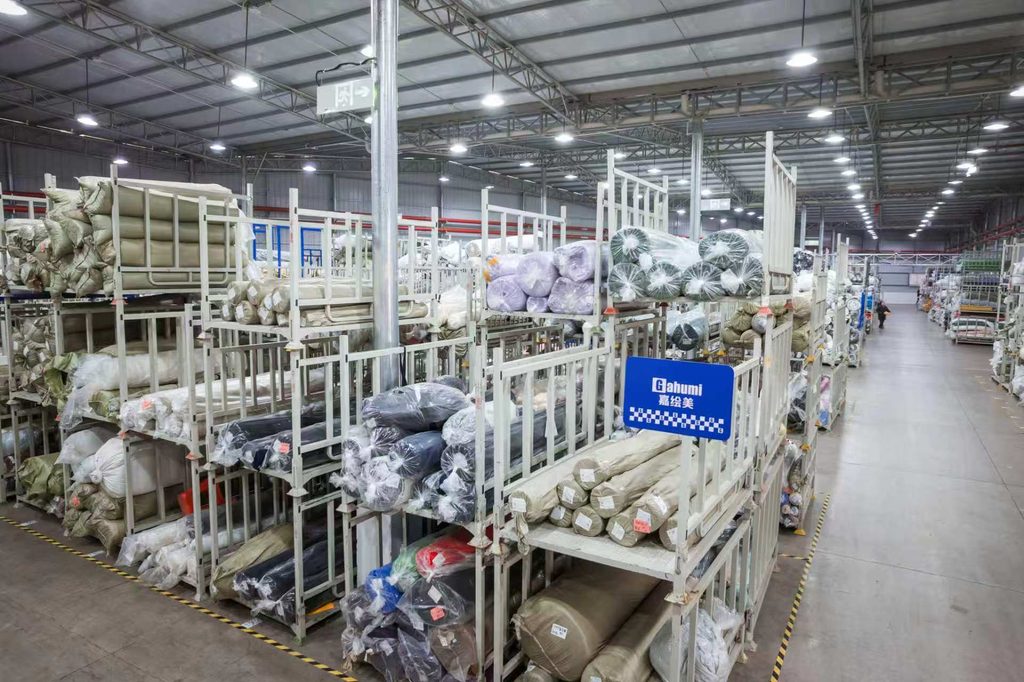
A photograph of a small loose swatch may show a concern but not where it came from. Record the fabric reference, roll identity, face, direction and location of the observation. Ask the supplier how representative assessment will be arranged across the material proposed for your order.
Agree the measurement method, units, reporting area and acceptance basis with the responsible technical people. Distinguish a screening photograph from a measured report. If the report covers a full fabric width, ask how its findings relate to the narrower panels you will actually cut.
Do not choose a numerical limit because it looks strict. The construction, visible pattern and project requirements need review. The requested outcome is a clear accept, hold or investigate decision on identified material, with any exceptions authorised.
Connect the material to the panel plan
Show the intended front, reverse and side pieces on the construction drawing. Mark the agreed fabric direction for each. If a visible diagonal is intentional, state that rather than asking someone to straighten it by eye.
Would rotating a panel solve every skew concern? No. Rotation changes the panel’s relationship to the fabric and design, so it needs review rather than being treated as an automatic correction. Ask the supplier to explain any proposed layout change and show its effect on the finished sample.
The patchwork panel guide helps record component identity. For an all-over print, the separate repeat-pattern brief controls motif scale and crop. Neither replaces the material observation being discussed here.
Make a cutting-release record that can be followed
A practical record can contain the material and roll references, marked direction photographs, agreed method, measured findings where commissioned, the relevant panel drawing and the person who releases the cloth. Keep unassessed areas and unresolved observations visible.
If a replacement roll is proposed, identify it as new material requiring the agreed review. Do not let a photograph from the first roll become blanket evidence for every roll received later. Retain the accepted reference without stretching or trimming it to hide the original observation.
This is a pre-cut check, not a claim about behaviour after cleaning. Where treatment-related dimensions matter, the dimensional-change article covers a different assessment.
For a printed reusable cotton tote, appearance needs to be specified without implying that a straight-looking cloth proves durability. Confirm the required cotton composition separately; the yarn direction says nothing about organic status or whether every trim is cotton.
Send Gahumi a marked photograph, the fabric and bag references, and the proposed panel layout. Ask what material review and sample development can be discussed before a quotation is finalised. Include quantities and destination details, but leave technical limits for agreement rather than assuming a universal rule.
Send the references to gzgahumibag@gmail.com.