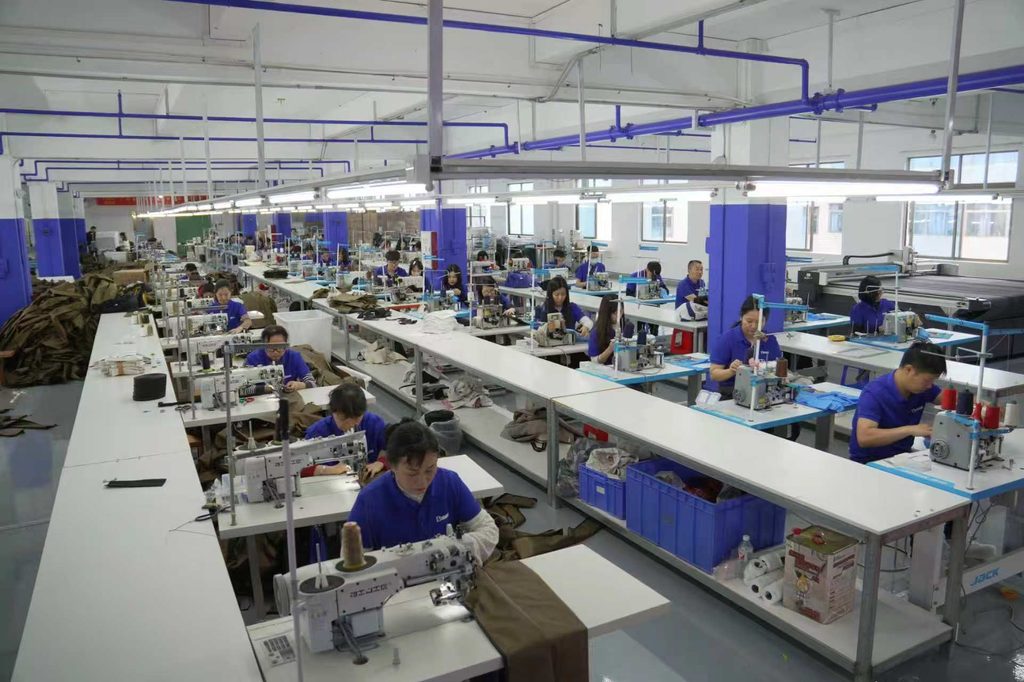
Use the complete cotton tote ordering checklist to place this supplier evidence review before quotation, sample approval and bulk production. Keep any unresolved construction or material questions visible as the order brief develops.
The first cotton tote quotation can look complete while an important question remains unanswered. Has the supplier reviewed your actual bag, or priced a familiar shape that leaves out the lining, print coverage or required paperwork?
Cotton tote bag supplier prequalification gives a purchasing team a way to settle that question before comparing prices. It is not a badge awarded by reading a website. It is a short evidence request tied to the cotton bag you intend to buy.
Define the bag that needs a capable supplier
Start with a one-page product outline. Include the finished dimensions in centimetres, proposed fabric weight in g/m², handles, panels, decoration and intended contents. Mark the features that are essential and those open to alternatives.
State the material requirement separately. If a 100% cotton body is essential, ask how that composition would be identified for the proposed fabric. List handles, lining and trims in their own fields; a cotton body does not establish the composition of the entire assembly.
A simple logo shopper and a lined, panelled bag are different enquiries. The supplier should be able to identify what it has reviewed rather than answer a general question about whether it makes bags.
Ask for evidence before asking for a score
A cotton tote supplier RFI should connect each important requirement to a proposed process, a relevant reference and an unresolved question. The CIPS supplier selection guidance treats capabilities, resources and risk as part of selection, not price alone.
For a large printed panel, ask which decoration route would be assessed on the selected cloth. For an internal construction, ask what drawing or sample is needed to assess feasibility. A photograph of another bag may support a discussion; it does not prove that your design has been made or tested.
Ask who would coordinate sampling, material queries and production questions. If any work would be performed elsewhere, request the relevant explanation for your project. Do not infer that every process happens in one building from a workshop image.
Keep unknowns visible in the response
Use a supplier evidence register with four fields: requirement, supplied reference, reviewer decision and follow-up. Mark unanswered items as open rather than giving them an optimistic score.
For example, a buyer may accept a reference bag as evidence of a similar panel layout while leaving a proposed inside compartment unconfirmed. Those are separate decisions. The reference should not quietly approve the missing compartment or its cost.
Record the source and date of any document. If a certification or test report is relevant, check its holder, scope and relationship to the proposed material. A scheme logo on a presentation is not order-specific evidence.
Make the invitation to quote conditional where necessary
A supplier can be invited to quote while a clearly identified feasibility question remains open. State that limitation in the RFQ so the resulting price is not mistaken for confirmation of a finished specification.
Keep this prequalification gate separate from sample approval. An acceptable response does not establish colour matching, carrying performance or care instructions. Those need their own agreed review of identified materials and finished samples.
Our pre-production sample guide explains the later acceptance record. The quotation comparison guide becomes useful once the proposals describe comparable bags.
Use a decision note rather than a supplier ranking claim
End the review with invited, clarification required or not suitable for this brief. Explain the reason using the recorded requirements. A supplier that does not suit one construction may not be unsuitable for every project.
For bags intended for repeated use, ask what care and performance evidence would be needed for the actual design. Do not replace that enquiry with a broad eco-friendly description or assume natural-colour cloth is organic.
Send Gahumi your product outline, evidence questions, quantity range and delivery destination. Ask what can be confirmed now and what needs development or sampling. Sample terms, available materials and timing should be agreed for the enquiry, not taken from this checklist.
For a written response, email gzgahumibag@gmail.com.