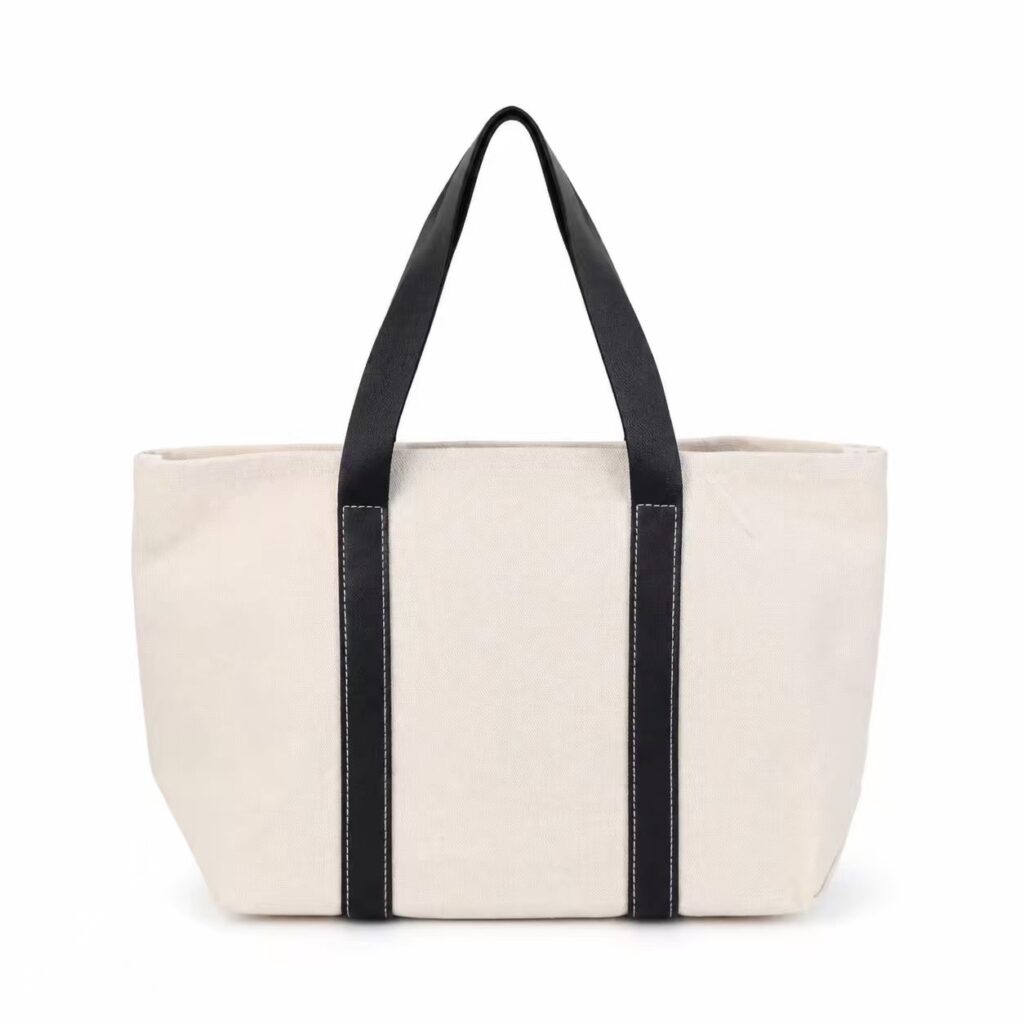
An event needs one tote for every delegate, while a shop needs balanced quantities across three printed designs. In either case, a total written on a quotation leaves an important question open. Must delivery match that number exactly, or has another quantity arrangement been accepted?
Cotton tote overruns and underruns are deliveries above or below the ordered quantity. Discuss any proposed allowance before confirming production, rather than discovering it in the final packing list or invoice.
State the number you actually need
Usable delivery quantity means bags that meet the agreed requirements and are available for the intended purpose. Distinguish an estimated purchasing target from a minimum required delivery or an exact-count requirement. Ask whether the proposed production route can meet your need and what conditions apply.
Do not assume an allowed shortage from an industry percentage. PPAI’s published practitioner discussion describes differing approaches to extras, short deliveries and exact-quantity requests. It illustrates why the parties must agree their own terms; it is not a universal allowance or Gahumi policy.
Does a quantity tolerance apply to every tote design?
Only if that is what the parties have agreed. A per-design quantity allowance differs from an allowance across the total order. Extras in one print cannot automatically make up for missing units in another, especially where stores or recipients need a specific version.
Put the rule alongside each relevant line of the design and quantity matrix. Confirm whether it applies by artwork, colour, size, destination or complete set. Identify which measure takes priority if the total and individual lines give different results.
Agree the commercial treatment separately
Agree whether additional conforming totes may be shipped, whether they may be charged and who authorises any exception. A statement that production may finish above target does not automatically answer all three questions.
Clarify the treatment of retained samples, rejected bags and remaining branded stock. They are not necessarily part of the accepted delivery count. The surplus stock decision concerns physical bags left after production; it should not silently change the ordered or chargeable quantity.
Do free extra totes solve a short delivery?
Not if the extras are the wrong version or do not meet the accepted requirements. A larger total can still leave one store short of its design. Nor does a lower invoice create the missing bags for a dated event. Check the required units by the same line used in the order.
A short delivery response should identify when the final count is reported, who is notified and which options require fresh agreement. Ask about feasibility, revised timing and costs rather than assuming a small additional run or immediate replacement is available. Do not substitute fabric, print or construction merely to make up the count.
Reconcile the completed delivery
Compare the accepted order lines with packed, dispatched and received quantities, keeping their dates and counting basis clear. Link any approved variation to the relevant line. If a difference remains unresolved, show it rather than adjusting the baseline to match the shipment.
The specified cotton composition and agreed print still apply to additional units. Calling extras a gift does not make an unapproved substitute equivalent. Equally, quantities alone do not demonstrate product performance or a benefit from reuse.
Send the design split, required usable quantities and any exact-count constraint before requesting a firm proposal. The appropriate quantity arrangement must be confirmed for the actual order.
Email the required counts and use date to gzgahumibag@gmail.com so the enquiry addresses the right quantity question.