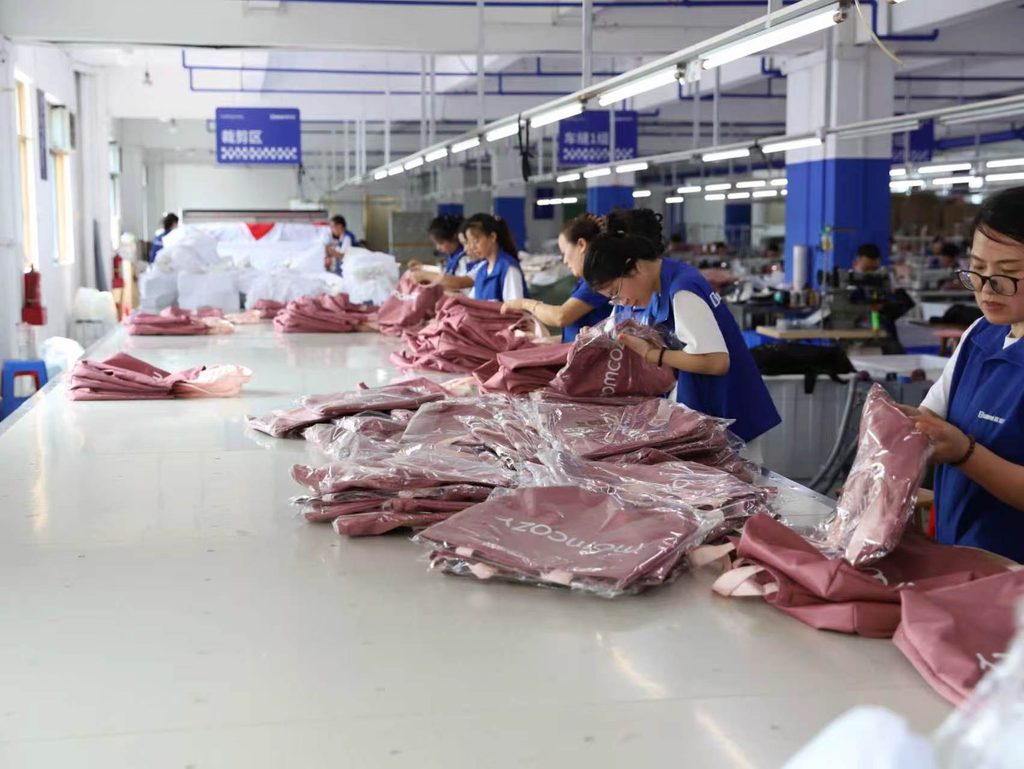
A tote included in a subscription box has two sizes that matter: its size when somebody uses it and its size when your packing team folds it into the shipment. Approving only the open bag leaves half the project unchecked.
For cotton tote bags for subscription boxes, decide early whether the bag is an occasional gift, a paid add-on or a regular part of the contents. That choice affects the print, quantity planning and how much space it can reasonably take from the products subscribers are expecting.
Measure the space left after the products are packed
Assemble the actual box with its usual product protection. Record the usable remaining space in centimetres, not the external carton dimensions. Photograph the arrangement and mark where a folded bag might sit without displacing protective material.
For each box variation, repeat that check. A bag that fits neatly beside a narrow carton may not fit alongside the next month’s wider item. Keep the bag’s inclusion rule linked to a defined box configuration rather than assuming one fold will work indefinitely.
If the products include cosmetics, food or fragile goods, retain their own appropriate packaging and handling requirements. The cotton bag should not be presented as a spill barrier, cushioning material or direct food-contact package without separate evidence.
Agree an open size and a packed fold
Specify the intended open dimensions and handle arrangement first. Then request a folding proposal using the actual fabric and finished print. A paper rectangle of the same size will not tell you the volume of seams, handles and folded fabric.
Ask the packing team to fold several samples in the same way. Can the fold be repeated without forcing the bag into the box? Does it obscure the design in the way you intend, and are the handles controlled when the lid closes?
Record the fold with a photograph and simple instructions. If you want bags supplied folded or individually packed, ask whether those requirements can be offered and quoted. Do not assume they are included in the base bag price.
Test the complete shipment, not the empty box
Close a representative packed box with the sample in place. Check for pressure against product cartons, interference with the closure and any change to your packing sequence. If the new arrangement affects the shipment specification, review it with the team responsible for transport packaging.
Use your normal project-appropriate transit evaluation rather than treating an unboxing photograph as proof of protection. Keep a record of the exact box, contents, protective materials and folded bag used. A changed arrangement may need another check.
Compare the finished packing requirements when reviewing prices. The cotton tote cost guide explains why additional packing details should be visible in the quotation rather than added after approval.
Design for the subscriber’s second use
Once the box has been opened, the bag should have a clear intended role. Choose dimensions around the dry everyday items you expect it to carry and assess that use with a sample. Do not make the open bag awkward simply to achieve a particularly small fold.
A lasting brand design may be more useful than a dated campaign headline, depending on the product concept. Use original or licensed artwork and check the print at actual size. Our artwork preparation guide covers files, placement and sample approval.
Keep reuse language specific. Including a reusable bag does not by itself prove lower carbon emissions or reduced overall packaging impact. If 100% cotton is required, confirm composition for the proposed construction before making a customer-facing claim.
Link purchasing to the confirmed box edition
Record the bag artwork version, fabric specification in g/m², open dimensions and approved fold against the relevant box edition. Keep planned quantities separate from an unconfirmed subscriber forecast.
Decide what happens to remaining stock if the edition changes. An undated bag may be suitable for another project, but only after checking the contents and packing arrangement again. Do not let an assumed future use justify quantities your team has not approved.
Include sample review, bag preparation, goods receipt and final box assembly in your timetable. Ask for project-specific production and delivery terms; a marketing launch date is not evidence that the supply schedule is feasible.
Request an in-box sample plan
Send Gahumi the usable box space, photographs of the packed products, desired open bag dimensions, artwork and quantity range. Explain the proposed fold and whether any supplied packing work needs discussion.
Add the delivery destination and when the empty bags must reach the assembly team. Ask for a sample plan that lets you check both open use and in-box fit before bulk approval. You can email the brief to gzgahumibag@gmail.com.