A fabric flap covers part of a tote’s opening; a fastening holds selected parts together. They are separate design decisions. Choose the cover first, around the objects being carried and the way somebody needs to reach them.
For a cotton canvas tote flap closure, the useful starting point is an open and closed drawing of the whole mouth. A cropped picture of a button cannot show where the flap hinges, what it covers or where it goes while the bag is being filled.
A cover needs somewhere to rest
Mark the edge where the flap joins the bag and show its outline at finished size. Identify which face is outside when it is closed. Include the handles, top edge, pockets and any closure parts on the same view so the maker can assess the relationship.
Then draw the flap fully open. A tote flap resting position may be over the back edge, inside the mouth or another position the proposed construction allows. Decide what is acceptable before sampling. A cover that falls over the opening each time a box is inserted is not completing the intended packing task.
Studio HOSONO’s cotton-canvas tote listing explicitly includes an entrance flap cover. It is an example of this construction category, not a pattern to reproduce or evidence about protection. An enquiry for Gahumi needs its own outline, materials and feasibility review.
List the proposed layers separately. The flap could use the body cloth, a different face fabric, lining or support material, depending on the maker’s proposal. Confirm the composition of each relevant component rather than extending a requested 100% cotton body statement to everything underneath the cover.
Try three views of the same sample
- Empty and closed. Check the intended silhouette, whether the flap sits as expected and which parts of the mouth remain visible. Record the overlap from identified finished edges.
- Open for loading. Put the largest intended object through the opening with its normal cover or packaging. Watch where the flap, handles and any loose fastening parts rest while both hands are occupied.
- Packed and closed. Arrange the complete contents and bring the cover into its intended position. Observe whether it lies naturally, catches a corner or needs the contents rearranged to meet a fastening.
A cotton tote flap overlap that works on an empty sample may sit differently over a tall package. Ask which measurements the maker can control and agree the relevant allowance on the drawing. Do not solve a poor fit by describing the cover as stretchable or adjustable unless that construction has actually been proposed.
Does a flap close the whole tote opening? Check the actual sample, including both ends and the sides. A cloth cover can leave gaps. If the brief requires a different kind of enclosure, compare a separately assessed zip-top arrangement rather than presenting a flap as equivalent.
For one-handed access, ask another person to open and close the sample in the intended carrying position. Record where they need to hold the bag. This is a practical access observation, not proof of security or long-term fastening performance.
Keep the cover and fastening on separate lines
A flap fastening location should identify the actual proposed parts and the layers supporting them. If a magnet is suggested, the magnetic closure guide covers the local attachment and alignment questions. First establish whether that point sits where the packed flap can comfortably reach it.
Check the artwork on the open and closed states too. Put an important word where the approved flap position leaves it readable, or deliberately make the flap part of the original design. The inside face needs its own decision if it is visible during use.
The finished sample should show accepted coverage, loading access, fastening operation and appearance together. Agree care on the complete combination and any performance evidence the project genuinely needs. A cotton cover alone establishes neither weather protection nor an environmental advantage.
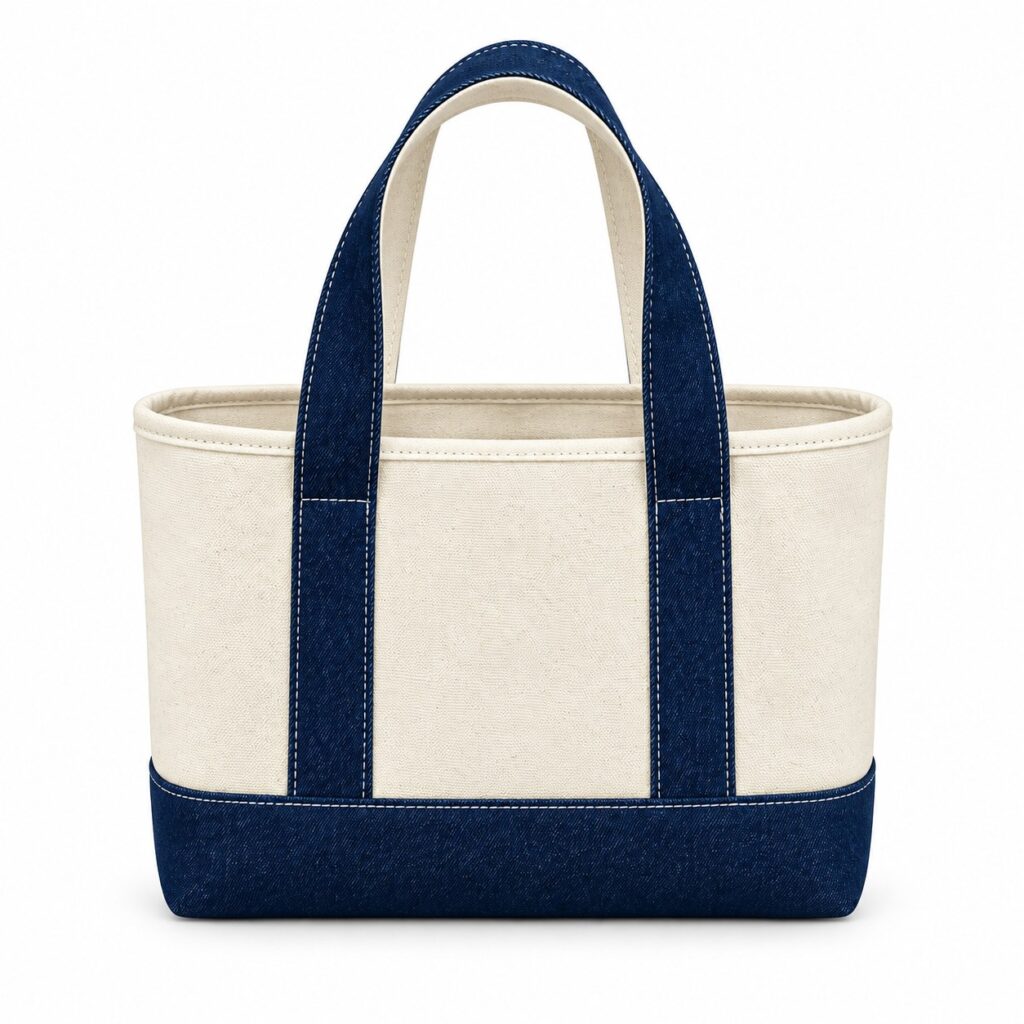
Send Gahumi the three-state sketch, representative contents, artwork and quantities. Ask whether the proposed cover can be developed and what components and sample work the quotation would include. The displayed tote photograph is a style reference, not an example of the flap described here.
Send the written brief to gzgahumibag@gmail.com.