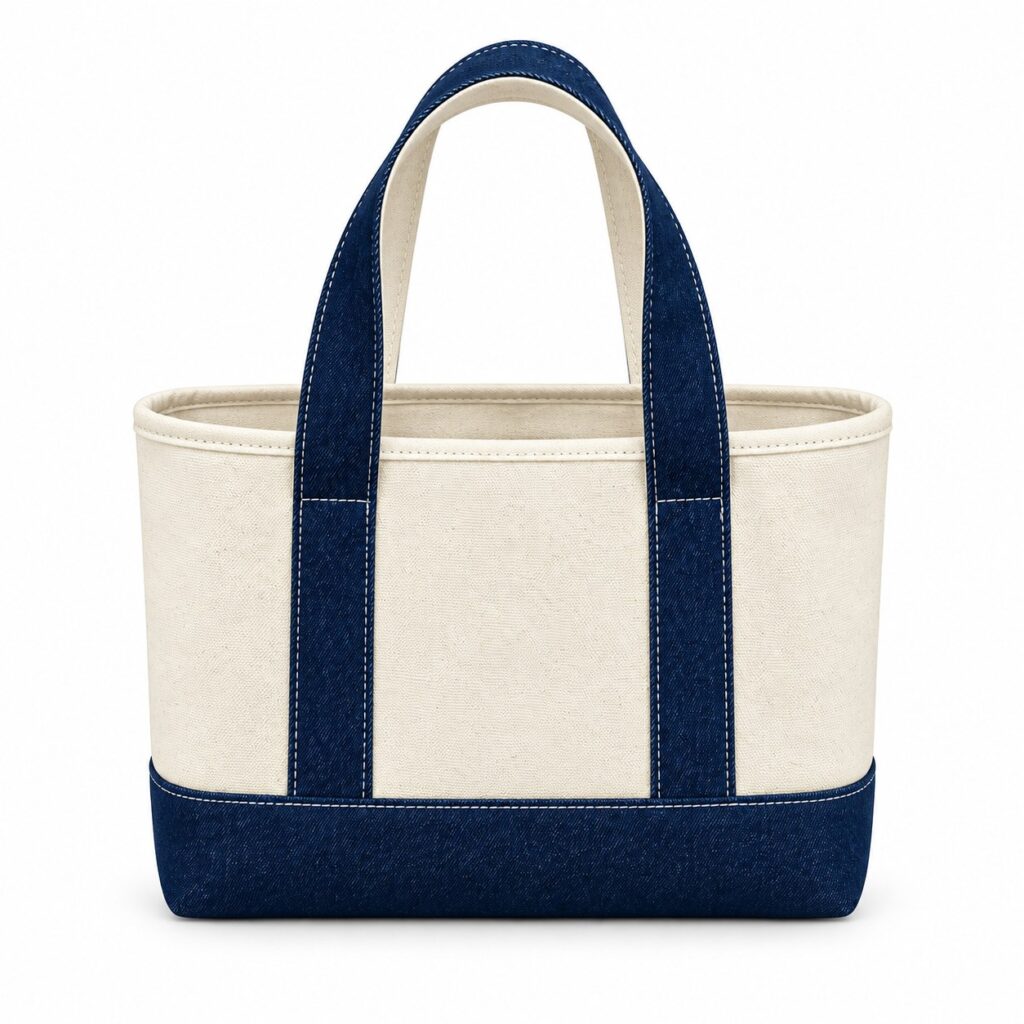
A shop buyer likes the tote range and enters “3” beside a design. The seller means three cases; the buyer means three individual bags. Attractive photographs have not made the range orderable.
A cotton tote wholesale line sheet should let a trade buyer identify the offer, choose the correct units and understand what still needs confirmation. It is a buying document, not simply a consumer product page copied into a PDF.
State what one ordered unit means
Define cotton tote wholesale order units beside the quantity field. Is the buyer selecting individual bags, a fixed single-design case or a named mixed assortment? Give the unit its own clear reference and connect it to the bag versions inside it.
For an illustrative case containing six identical totes, a buyer requesting three cases is requesting eighteen bags. Six is a teaching example, not a Gahumi pack size or minimum. Write both the ordering unit and its contents so the buyer can check the quantity without interpreting a photograph.
For cotton tote case pack quantities, distinguish the offered pack from the transport carton used later. One transport carton might hold several order units, while a shop assortment may contain several designs. Keep those relationships explicit.
Is a factory MOQ the same as a retail case pack? No. A manufacturing minimum and the trade seller’s ordering unit serve different purposes. The brand must confirm its own offer and obtain the underlying production quotation before assuming it can supply every requested mix. The production quantity matrix keeps those manufacturing lines identifiable.
Separate a current offer from a future possibility
A tote range availability record should state whether each line is confirmed stock, subject to production confirmation or unavailable under the current offer. Record when that information was checked and who maintains it. A sample on a showroom rail does not demonstrate available saleable stock.
Keep wholesale tote offer validity visible alongside the seller, currency, price basis and order route. Have the responsible seller confirm tax presentation, commercial terms and any delivery or production conditions. Leave a provisional price marked provisional rather than making a polished sheet look final before the terms are approved.
Does a line sheet reserve cotton tote stock? Not by itself. Tell the buyer which confirmation is needed under the actual arrangement and how availability will be checked when the order is discussed. A saved copy of an old sheet should not quietly become a stock guarantee.
Use compact product information that identifies the line
Shopify’s wholesale glossary describes a line sheet as a range document from which a retailer can select quantities. Faire’s brand upload guidance illustrates the trade-specific combination of SKU, wholesale price, retail price, images and case size. Its template is a platform example, not a requirement for every buyer.
Use one accurate image and a concise description to identify each offered bag. Show the style reference, colourway, relevant dimensions, material scope and included features. For a printed cotton tote intended for repeated use, the approved artwork and construction matter more than an unsupported claim that it suits every European shopper.
Carry verified facts from the product-data record, but keep the line sheet’s trade unit, availability and ordering conditions separate. A specified cotton body does not make every component cotton, and a wholesale document should not add organic or environmental wording absent from the approved evidence.
Test whether someone can place a precise enquiry
Ask a colleague to select two lines using only the sheet. Can they state the style and variant, number of order units, resulting bag quantity, applicable price basis and open availability questions? If they must guess what the quantity box means, fix the sheet before sharing it.
Number the version and provide the seller’s current ordering contact. When the offer changes, update the working source and identify superseded copies. Keep the accepted order confirmation distinct from the range information used to start the conversation.
A brand or distributor approaching Gahumi should send its proposed assortment, bag specifications, artwork and underlying production quantities. Ask which samples and quotations can be considered before offering stock, pack sizes or lead times to retail clients. Your downstream trade offer remains your team’s responsibility.
Send the range brief to gzgahumibag@gmail.com.