Use the canvas weight shortlist when choosing cloth for the bag’s intended use. A specified yarn route adds another question: whether the actual warp or weft proposal may change, even when the nominal fabric weight remains familiar.
A material specification may call for ring-spun yarn, while a replacement canvas is offered with rotor-spun yarn at the same nominal count. Before accepting it, establish whether that detail is a requirement or simply information about the original cloth. There is no reason to impose a spinning route that the buying brief does not need.
When ring-spun cotton canvas is specified for a tote, a proposed change deserves an identified material comparison. The useful question is what yarns have changed and whether the offered cloth is acceptable, not which spinning name sounds more expensive.
What ring and rotor describe
CottonWorks explains the formation routes. In ring spinning, drafted fibres are twisted into yarn by a spindle system and wound onto a bobbin. In rotor spinning, separated fibres enter a rotating cup and join the forming yarn, which is withdrawn continuously. These are different ways of forming yarn, before it is woven into the bag cloth.
Rotor-spun cotton canvas and open-end-spun cotton canvas describe the same route family for this discussion. Do not count them as two different fabric developments. The supplier still needs to identify the actual yarn and cloth being proposed.
Does equal yarn count prove the same spinning method? No. Count describes yarn size under a named numbering system; it does not identify how the yarn was formed. The yarn count and thread-density guide keeps those numerical fields separate. Here the additional question is the formation route behind the proposed yarn.
Find the change in the actual canvas
Ask for the warp and weft yarn spinning method separately when that information is part of the requirement. The lengthwise and crosswise yarns need not be described by one unexplained ring-spun label. Ask whether the proposed change affects one direction or both.
Keep the request specific. Identify the original cloth, replacement cloth and the route stated for each relevant yarn direction. If the provider cannot confirm the information, leave it unconfirmed rather than inferring the answer from touch or a close photograph.
A cotton canvas yarn route substitution should return to the person who set the requirement. If the route is mandatory, obtain the needed confirmation or review another cloth. If it is not mandatory, ask whether the actual alternative can be assessed against the bag’s requirements. A missing declaration is an information gap, not proof that a fabric is defective.
Compare representative pieces at the same intended material stage. Keep differences in weave, colour, finish and weight visible. Handle the cloths, fold them as panels and review the proposed decoration. If several things have changed, the sample cannot isolate spinning as the cause of every observed difference.
Accept the material without enlarging the claim
Does ring-spun yarn prove a tote’s carrying strength? No. A yarn route is not a complete-bag test result. Seams, handles, construction and the intended contents still need their own review. Use the load-test brief where relevant rather than assigning a carrying capacity from the spinning description.
Record why the alternative was accepted, held or rejected, with the cloth references and any sample conditions. Keep the provider’s declaration connected to that decision. A later order should not substitute another material solely because its weight and colour look familiar.
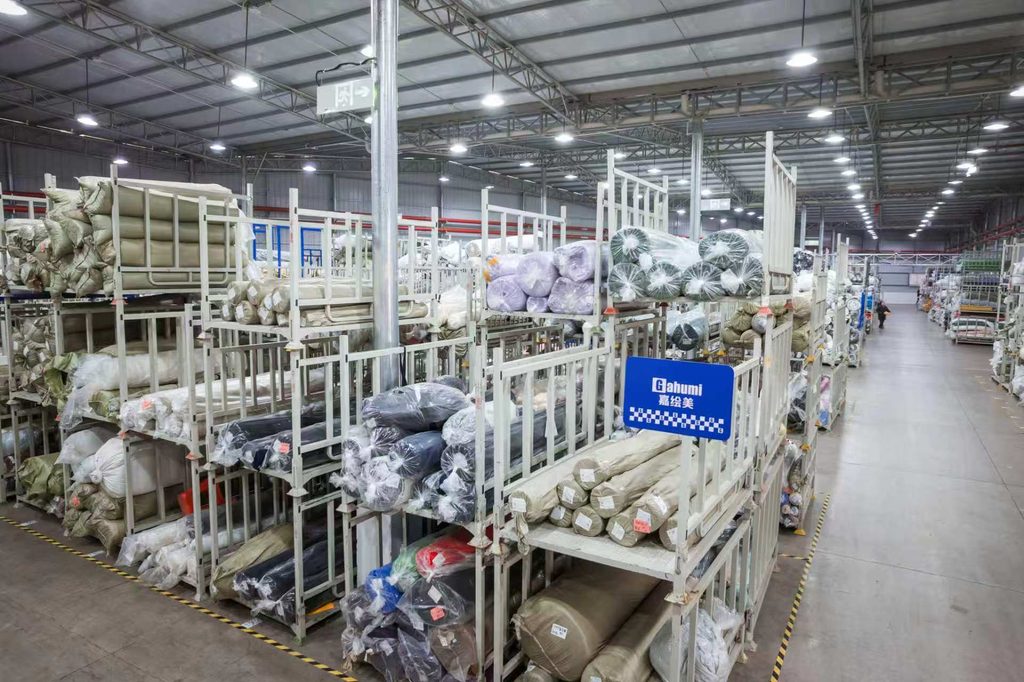
Confirm a requested 100% cotton body independently of spinning. The route does not establish organic origin, environmental superiority or the composition of trims. For a reusable printed tote, the accepted whole bag and supported care remain important. The fabric-storage photograph shows general stock handling, not the spinning route of any roll.
For a Gahumi enquiry, send the existing cloth description, actual route requirement, proposed substitute and bag specification with artwork, quantities and destination. Ask which material information and comparison samples can be obtained before assuming a particular yarn route is available.
Email the material records to gzgahumibag@gmail.com.