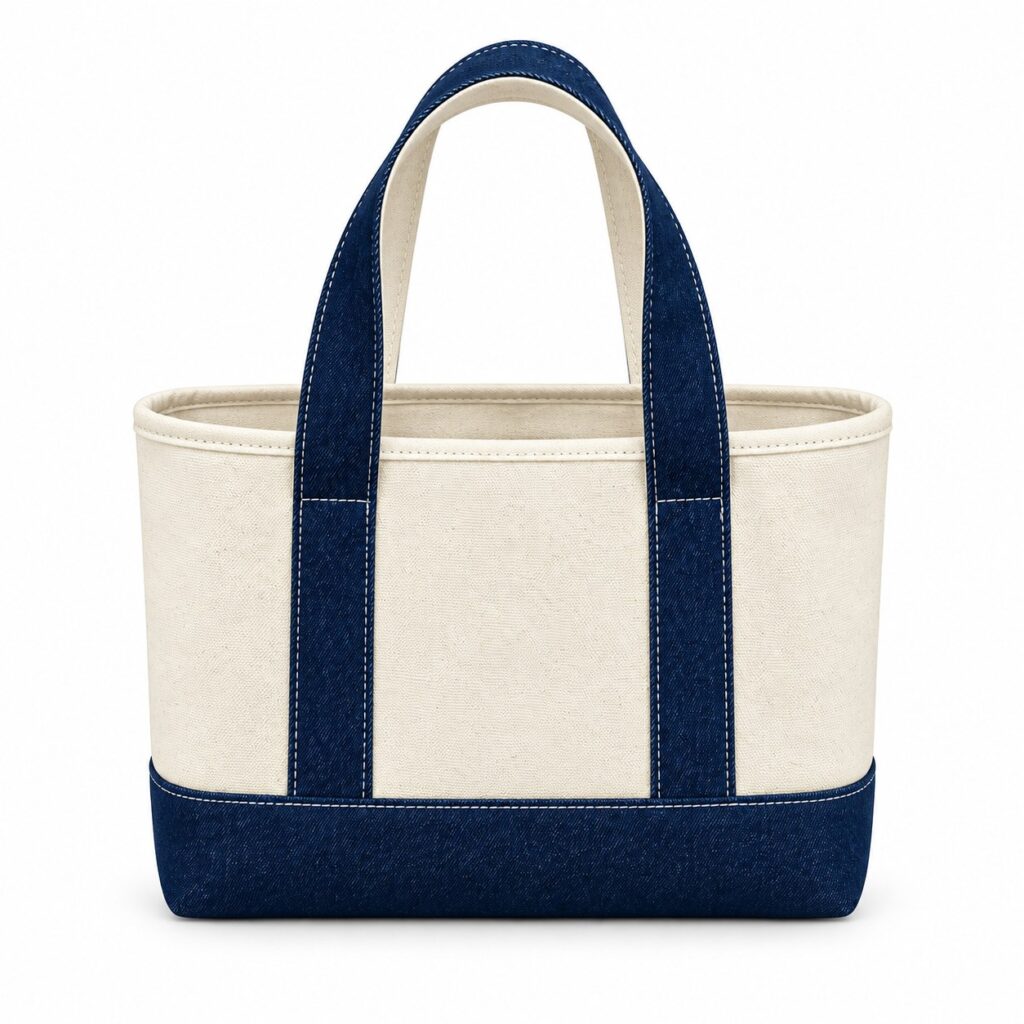
The new canvas feels pleasant, but a buyer is concerned about small surface knots appearing on the front of a frequently handled tote. A report about fabric wearing through will not necessarily settle that appearance question.
A cotton canvas tote fabric pilling assessment looks at a defined surface change on the proposed cloth. Start with what needs reviewing, then agree the assessment with a competent testing service. A familiar machine name is not enough to make two reports comparable.
Keep the surface questions distinct
Describe whether the concern is small pills, a generally raised fuzzy surface, matting or an unidentified change. Mark the location and retain the unaltered example. Do not shave or brush the cloth before the person investigating it has seen the original condition.
Is pilling the same as fabric abrasion failure? No. The abrasion assessment guide discusses wear and its selected endpoint. A request about surface pilling needs its own defined assessment, rather than a copied abrasion cycle count.
The distinction also matters on a decorated panel. Fibres visible through an inked area can raise a separate print fibrillation enquiry. Ask the printer or laboratory to examine the actual surface instead of diagnosing every rough-looking printed patch as pilling.
Choose the procedure before comparing fabrics
The public scopes of ISO 12945-1 and ISO 12945-2 describe different approaches to assessing pilling, fuzzing and matting. One uses a rotating pilling box; the other uses a modified Martindale method. The method and edition should be stated explicitly in the laboratory’s proposal.
For cotton tote fabric fuzzing, ask whether the proposed procedure and appearance assessment address the material and buying question. Mention finishes, coatings and printed areas. Let the service establish suitability and required preparation; do not present an ordinary handling trial as a test conducted to a published standard.
A Martindale pilling result should not be treated as a Martindale abrasion result simply because the names overlap. Check what was assessed, at which agreed stages and on what basis. Do not choose a universal pass grade for all cotton totes or transplant a customer’s upholstery requirement without technical review.
Give each candidate cloth a usable identity
For a canvas surface appearance comparison, identify the fabric reference, colour, finish, face and relevant supply lot. Say whether the sample is blank, decorated or already subjected to an agreed care process. Keep an untouched reference beside the material sent for assessment.
Suppose two candidate cloths have the same quoted GSM. One is a finished, dyed material and the other is an unfinished development swatch. Requesting the same assessment does not erase that difference. Decide which condition represents the proposed bag before using the reports to choose between them.
Ask how much material the service needs and whether specimens can come from the finished tote or should be supplied separately. Label the material clearly. A laboratory report cannot repair an uncertain link between the swatch and the fabric actually being purchased.
Turn the evidence into a selection decision
Can I compare pilling grades from different methods? Not as though they were interchangeable. Have the service explain the method, preparation, assessment stages and reporting differences before ranking the fabrics. Keep those details beside the result, including any limitations.
Use consistent lighting and framing for internal comparison photographs, with sample references visible. Images can help the buying team discuss an appearance requirement, but a phone photograph does not replace the laboratory’s defined assessment. Retain the reported findings rather than choosing only a favourable close-up.
Record whether the material is accepted for the stated appearance requirement, needs further review or will be replaced. If the cloth or finish changes, ask whether new evidence is needed. Keep that decision within the sample approval record, alongside the other construction and decoration decisions.
Request composition evidence separately when specifying a 100% cotton body. A pilling assessment does not prove fibre composition, organic status or an environmental benefit. It also does not establish how many years a reusable tote will remain acceptable in every customer’s hands.
When approaching Gahumi, describe the intended bag, cloth candidates and surface concern. Ask what sample comparisons can be considered and whether a suitable outside service is needed. The aim is an informed fabric choice, not an unsupported “anti-pilling” label.
For a written enquiry, email gzgahumibag@gmail.com.