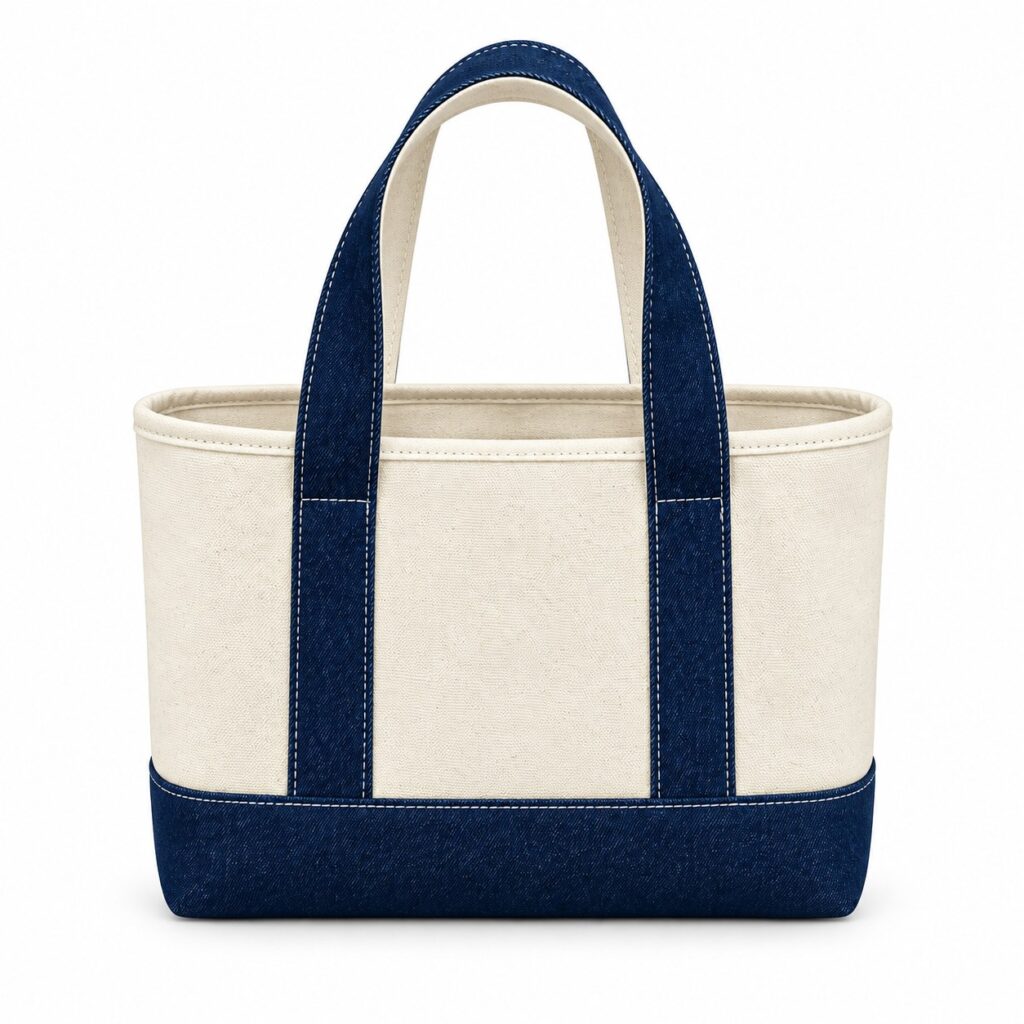
A tote’s finished dimensions may fit on one line. Its cutting pattern is a different kind of information. The body, contrast base, pocket and handles each need the right piece, version and construction references if a pattern is to be handed to another production team.
A cotton tote cutting pattern handover should say what is being delivered and what the receiving team can actually use. Settle the permitted use of the material and the technical delivery together, without treating one as proof of the other.
Agree the deliverable before discussing a file extension
A quotation for finished cotton bags does not automatically include the supplier’s working patterns. A sample fee may cover development work without defining any separate pattern delivery. Ask what can be supplied, in what form and under which agreed terms.
Does a tote sample fee include cutting patterns? Do not assume that it does. Request an explicit answer covering the relevant files or physical pieces, revisions and any additional preparation. Keep the commercial answer separate from approval of the sample itself.
WIPO distinguishes permission to use intellectual property from a transfer of ownership. The buyer should have the responsible adviser review the particular rights and applicable arrangements. Possessing a sample or paying a development invoice does not, by itself, settle permission to pass every production file to another factory.
Identify the pieces, not just the bag
A tote cutting piece list should connect every supplied piece to the bag style and revision. Describe its role, material reference, required quantity per bag and any left/right or mirrored relationship that the pattern maker identifies.
For a two-tone cotton canvas bag, a cream body and navy base can have separate material references even where both are specified as cotton. Keep the intended fabric face and direction identifiable where relevant. A finished front photograph cannot supply the missing manufacturing information.
Keep the seam allowances visible in the handover. Ask which lines describe the cut edge and which describe stitching, fold or other construction references in the supplied system. Do not add an allowance again because the receiving team misread an already included one.
The finished measurement specification remains a separate record. It lets the completed bag be checked, rather than allowing a cutting dimension to become the advertised body size.
Can I send any DXF file to a tote factory?
No. Ask the intended recipient which format, version and contents its workflow can accept. A shared file extension does not answer whether the right pieces, annotations and units have arrived.
Lectra’s AccuMark conversion documentation describes several data types and import routes, including pieces, models and markers. Before delivery, ask the receiving technical team to check the proposed format against its own workflow. This does not require Gahumi or every bag maker to use a particular CAD system.
Agree a pattern scale check using an identified dimension and consistent units. Where a printed file is supplied, confirm how it should be output and checked rather than relying on a page that may have been resized to fit the printer.
Ask the recipient to confirm which pieces opened and what information could not be interpreted. Keep any conversion copy linked to the supplied master. An import message saying success does not establish that the pattern will produce the accepted tote.
The receiving sample closes the technical question
Have the responsible production team review the pattern with the specified fabric, construction and decoration. Any proposed adaptation should be identifiable and assessed against the bag’s requirements. Confirm the required sample and review scope before treating the handover as production-ready.
Use the finished sample approval record for that decision. If the handover is part of evaluating another manufacturer, the alternative-source comparison covers whether the accepted new bag can represent the existing range.
A transferred pattern does not certify cotton composition, washing performance or lower environmental impact. Keep the material evidence and intended reuse requirements attached to the actual fabric and finished construction, particularly when a new source is involved.
For a Gahumi enquiry, describe the tote, authorised reference materials and any pattern-related deliverables you want considered. Ask about feasibility and agreed scope before sending restricted files or promising a third party that editable patterns will be provided.
Email the non-confidential bag brief and requested deliverables to gzgahumibag@gmail.com.