A quotation lists a stitch count beside the tote logo. The next version lists a different number, although the buyer believes the design is unchanged. Before negotiating the difference, establish what each figure represents.
For an embroidery quote, record the design size, artwork version and preparation stage beside the stitch count. An estimate made from an image is different from the count reported for a prepared embroidery output. Neither figure, by itself, explains the complete price.
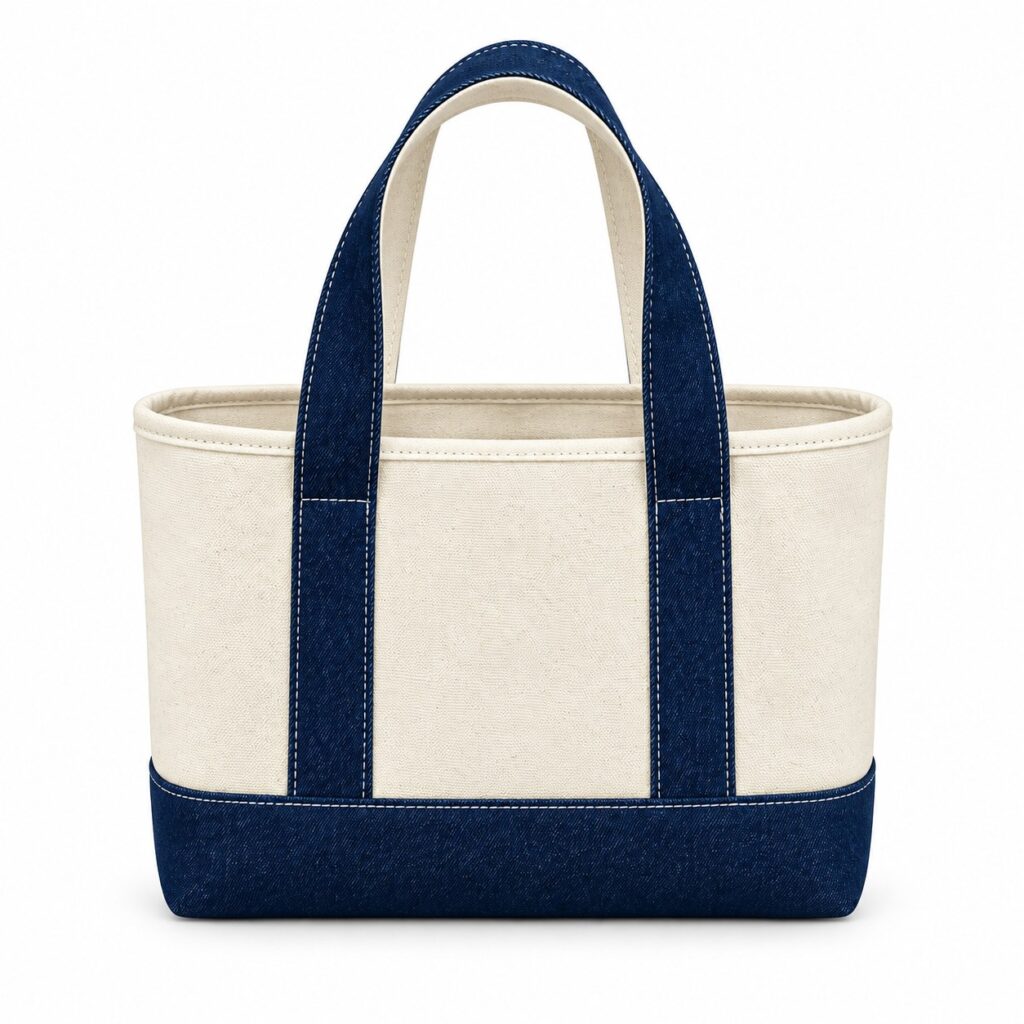
The Gahumi bag image is a product reference, not evidence of a stitch count or embroidery quotation.
Estimated versus production stitch count
Ask whether the figure comes from the supplied graphic, a digitised design or the identified output used for the accepted sample. Keep the provider’s description with the quotation. If it is an estimate pending development, label it that way rather than presenting it as a final manufacturing statistic.
Wilcom’s Estimator description explains generating a stitch estimate from artwork and combining it with the company’s own pricing structure. That distinction is useful: estimating a design and choosing the charges are separate tasks. It does not establish that every supplier uses that software or the same price table.
For a prepared design, request the file reference and the scope of the reported count. If the provider reports different statistics for development and production, ask it to explain which figure supports the commercial proposal. The buyer should not have to guess whether a count covers one motif, one side or the complete bag.
Put the size and version beside the number
The quotation record should name the authorised graphic, the embroidered width and height in millimetres and every position included. A small chest-style emblem and a large tote-front version cannot be assumed to share one estimate simply because the source logo is the same.
If the designer changes a filled region, removes a line or alters lettering, retain a preview of the version that was priced. Ask whether the estimate needs updating. Do not compare two figures while overlooking a change made to improve the stitched result.
Keep file-delivery questions separate from the pricing record. Our embroidery file handoff covers what the buyer receives and what remains editable. Paying for preparation does not, on its own, answer those questions.
Separate the charges without inventing a formula
Embroidery setup and production charges should be described distinctly where they are quoted separately. Identify initial design preparation, sample work, revisions and the repeated decoration operation. State the quantity per design and the number of decorated positions so the quoted scope is usable.
Do not supply a universal price per thousand stitches or calculate a guaranteed machine time from the count. The proposed process, handling and supplier’s commercial basis need confirmation. Ask which charges are provisional and what event would make the quotation final.
The broader cotton tote cost guide keeps fabric, bag construction, packing and delivery visible. This stitch record belongs within that complete quote; it should not be mistaken for the cost of the whole tote.
Keep the cotton body, embroidery thread and backing identified in the proposal. Stitch statistics cannot establish their fibre composition or support a recycled-content, organic or environmental claim.
Does the lowest stitch count mean the lowest price?
Not necessarily. Different providers may have priced different artwork sizes, preparation work, positions or handling. First put the assumptions side by side. A lower count also says nothing about whether the logo retains its important detail or the fabric lies as the buyer expects.
Do not ask for fewer stitches as the sole correction to a price concern. Explain the budget and the design features that must remain. If a different treatment is proposed, approve its appearance before accepting a revised commercial basis.
Can an artwork estimate be used to release embroidery production? Not as the only approval. The named design, proposed materials, relevant file output and agreed sample still need their own accepted status. A quotation number is not a production instruction.
For Gahumi, send the artwork, required embroidered size, bag specification, positions and quantities. Ask whether embroidery development can be supported, how the estimate would be identified and what sample or revision work the proposed price includes.
Email your artwork and quotation questions to gzgahumibag@gmail.com.