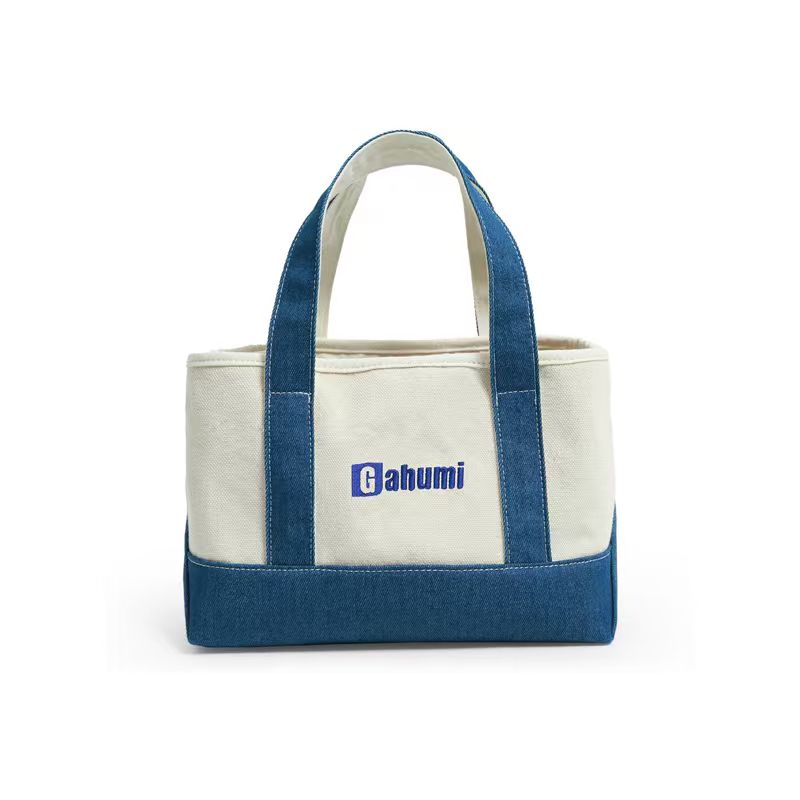
The keys are easy to find, but the attached tape hangs outside the tote when a book goes in. Adding a key keeper has changed the way the bag is packed. Its resting position deserves as much thought as its length.
Choosing a cotton tote key tether starts with the object it must connect to and the action the owner wants to perform. The connection and resting position belong in the bag brief together.
Draw the reach from an actual fixed point
Show the attachment location on an inside view, measured from a finished edge. Add the intended key ring and the position it should reach during ordinary access. State whether the keys must be disconnected before use.
A key tether reach drawing should distinguish the cut tape from the usable span between its attachment and connector. Record measurements in centimetres and identify whether fittings are included. Our finished measurement guide explains why endpoints matter.
Keep the proposed fixing separate from nearby pocket stitching. An inside pocket and a tether can solve different access problems; neither should be added simply because the other appears on a reference bag.
A connector needs its receiving object
The Duraflex component catalogue distinguishes a keyring hook intended to engage split rings. Use the actual ring to discuss a suitable connector with the maker, rather than choosing from its appearance or assuming every hook will fit.
Supply the ring dimensions or a physical reference. Ask the technical supplier to identify the proposed connector and demonstrate engagement and release with that object. Review the space available for fingers, the gate opening and any exposed edge on the assembled sample.
Can the key tether be used as a carrying handle? Keep the organisation attachment out of that role. A carrying connection needs a separate requirement and assessment. Restraint, climbing and other safety-related applications also fall outside this key-access brief.
Give the unused tether somewhere to remain
Should a key tether remain outside a packed tote? Decide where it is intended to rest, then check the actual packing action. Do not accept a hanging loop merely because the empty sample looks tidy.
Put the representative contents in and remove them again. Note whether the tape crosses the opening, catches an item or disappears beneath contents where access becomes awkward. The internal tether stowage review should identify the resting position and any extra fixing the revised proposal needs.
For a proposed key keeper, verify the tape, connector, thread and any reinforcement separately from the reusable cotton-canvas body. A cotton-looking tape is not composition evidence, and a cotton body does not make the connector cotton.
Keep the reach drawing, actual ring reference and accepted access sequence together. Send Gahumi these details with the base bag, quantity and delivery destination. Ask whether a suitable arrangement can be considered and what a development sample would need to resolve.
Send the component references to gzgahumibag@gmail.com.