A pair of side snaps can draw a tote’s upper sides inward and release them again. The buyer still has one physical bag, but two proposed operating shapes. The feature earns its place only if that change helps with the intended contents or the way the bag is handled.
For cotton tote side snap expansion, compare both states with the same objects. Do not call the released shape a new capacity just because it looks wider in a photograph.
Name the states before measuring them
Give the sample two plain labels, such as sides fastened and sides released. Ask the maker to show where the fabric folds, which parts meet and where the unused fastening halves sit. Identify any separate fastening at the main opening so that it is not confused with the side adjustment.
Uinta Design’s Snap Tote describes expandable sides and two closure/interior-space configurations, with cotton canvas among the material options. It establishes a real design category, not Gahumi availability or a measured change in litres.
A side snap fold map should show the complete top outline in both states. Include handles, pocket openings and artwork. The same fabric may fold over an area that was visible on the released view, so a front rectangle is not enough to approve the design.
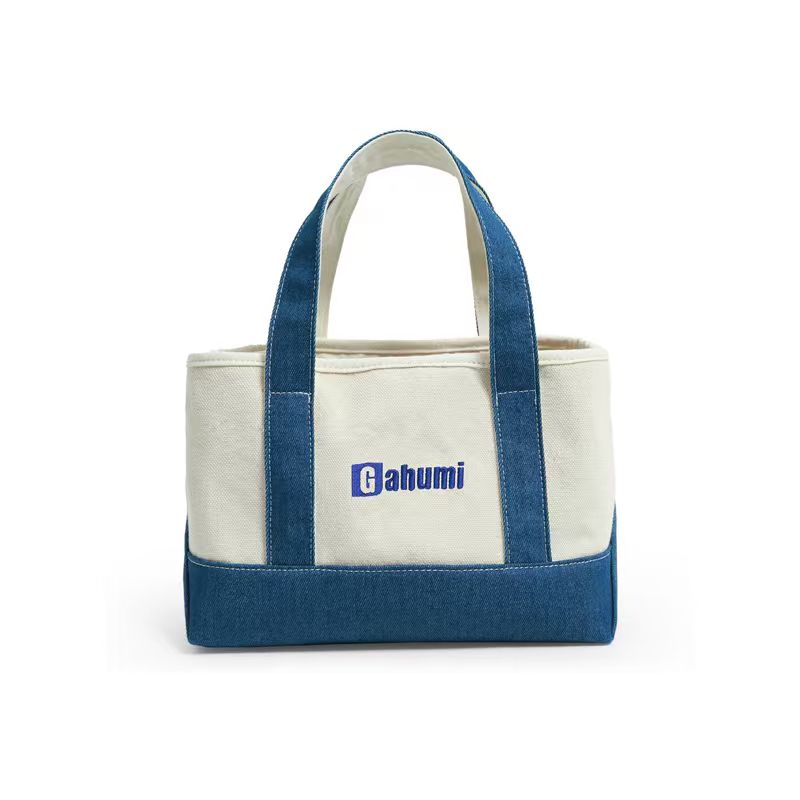
Confirm the proposed snap parts and attachment with the maker. Their position, supporting layers and operation need review on the actual cotton construction. The general tote image beside this article does not demonstrate the side-fold feature.
Use one contents set for both shapes
Begin with the purchases or personal items the bag is meant to carry, keeping their normal packaging and covers. Record that set beside the sample reference. Avoid removing an awkward object for the fastened view and then claiming both shapes serve the same job.
A two-state tote contents trial can follow a simple comparison:
- Insert and remove the largest object with the sides fastened, without pulling against the closed snaps.
- Release the sides and repeat that access task with the same object and remaining contents.
- Locate the phone pocket, keys or other regularly accessed item in each state.
- Carry the sample as intended, then set it down and change state by the proposed action.
- Record where the folds, handles and loose fastening parts rest in both configurations.
Does releasing the side snaps increase the base size? Check the actual construction. Opening upper folds does not by itself establish a different base footprint. Record what changes at the mouth and what remains the same, using the agreed measurement points.
The measurement guide helps define those points. The purpose here is to compare one bag’s states, not to select a second size or calculate a reliable usable volume from three outer dimensions.
Look for a meaningful difference. Perhaps the released state admits an identified package more easily, while the fastened state gives the appearance the buyer wants for ordinary carrying. Those are observations to test, not benefits to promise before a sample exists.
Keep the feature or remove it for a reason
A cotton tote side fold print check should use the original artwork at its intended scale. View the packed sample in both shapes and mark any essential wording that disappears into a fold. A deliberately changing graphic is possible as a design idea, but the buyer must approve both views.
What if the snaps do not improve the carrying task? Consider removing the feature. If the same fixed shape handles the contents and presentation equally well, ask whether simpler sides are a better match for the brief. More components do not automatically create a more useful bag.
If the feature stays, retain the accepted two-state drawing, contents record, component references and sample. State the customer’s intended operating instructions and any separate assessment needed for the connection. Neither the side snaps nor an informal trial proves a load rating or fully enclosed opening.
Confirm the required cotton composition component by component and review care for the accepted combination. The finished-bag care guide is relevant to that decision; a change of shape is not evidence of longer life or an environmental saving.
Send Gahumi your two-state sketch, the one contents set, artwork and quantities. Ask whether the arrangement can be developed and quoted, including a fixed-side alternative if the sample does not justify the additional feature.
Email the comparison brief to gzgahumibag@gmail.com.