A full-colour illustration looks promising on two sample totes. One provider calls its process digital printing; the other calls it a transfer. Before comparing the results, the buyer needs to know what those descriptions mean.
When comparing DTG vs DTF for cotton tote bags, keep the artwork, print dimensions and proposed cotton fabric together. The choice is between two identified decoration routes, not between the words digital and premium. Gahumi would need to assess which route, if either, can be supported for the particular bag.
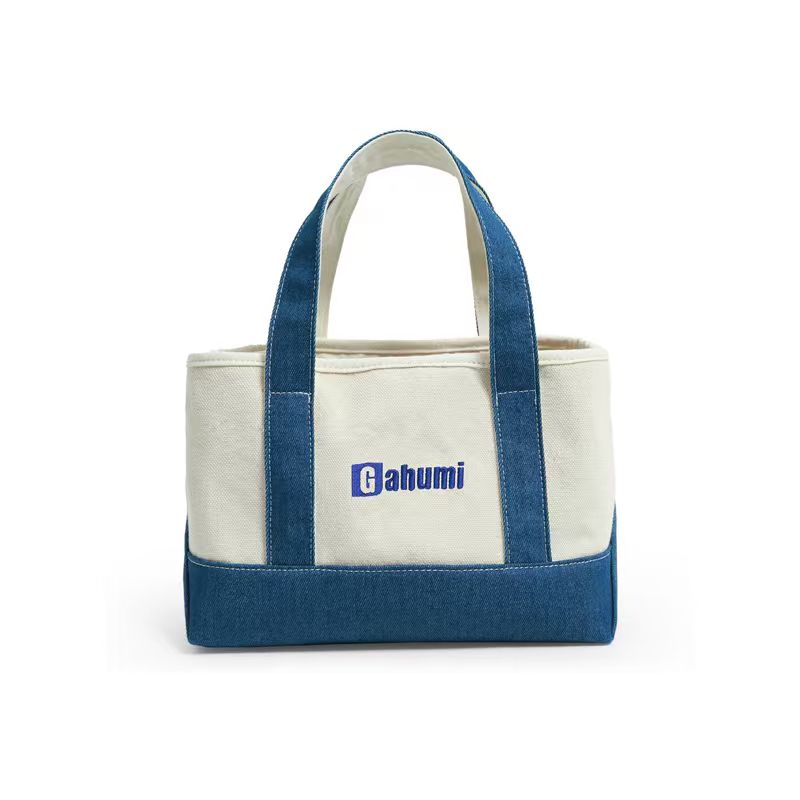
The Gahumi product photograph shows a tote exterior, not a confirmed DTG or DTF sample.
Find out where the image is formed
Direct-to-garment cotton tote printing uses inkjet equipment to print onto the fabric. The proposed system may involve fabric preparation and subsequent processing. Ask the provider to describe the actual combination rather than assuming every cotton blank can go straight onto its machine.
Direct-to-film cotton tote printing forms the image on a transfer film before application. Roland DG’s explanation of the two processes describes a DTF route using printed film, powder adhesive and heat pressing, compared with inkjet printing directly onto fabric for DTG.
Those descriptions establish a useful starting distinction. They do not establish the feel, colour or care performance of an unidentified finished tote. The provider should name the ink and any transfer, adhesive or fabric preparation included in its proposal.
Give both providers the same illustration
Choose the parts of the design that must survive the process: a face in the illustration, a pale background, small lettering or a narrow unprinted gap. Supply the authorised master and a preview showing the intended width and height in millimetres. Use the artwork size and placement guide for the shared drawing.
Can DTG and DTF use the same artwork file? They can be assessed from the same authorised source, but each provider should confirm its production-file requirements. If a line, background or colour needs changing, the buyer should approve that interpretation. Do not compare an altered design with an unchanged one and attribute every difference to the process.
Use the proposed cloth colour and fabric reference for both samples wherever possible. If one trial uses smooth white cotton and the other a textured cream canvas, record that difference. It prevents a material change from being hidden inside the method comparison.
Feel the whole printed area
A small emblem cannot answer how a broad illustration will feel across the front of a bag. Ask for a trial representing the important coverage at the intended scale. Look at the edges and pale details, then handle the decorated panel without stretching it flat.
Put the intended contents inside and fold the empty tote as it will be supplied. Describe any difference in surface feel, flexibility or visible background around the graphic. Use specific observations rather than assuming DTG is always soft or DTF is always stiff.
Also check access to the proposed position. A DTG provider needs a suitable way to present the fabric to the printing equipment; a DTF proposal needs suitable access for its application. Nearby handles, pockets and seams belong in that assessment. The decoration access guide helps identify whether the work should be considered before or after bag assembly.
Choose a sample and a named route together
Does a DTG approval cover a switch to DTF? No. The accepted appearance belongs to the sampled fabric, artwork and decoration combination. A proposed route change needs review before production, even when the front preview looks unchanged.
Compare quotations at the same quantity per design and position. Identify artwork preparation, sampling, revisions and application rather than importing a universal quantity crossover from another project. Agree what evidence is needed for any important care requirement on the complete bag.
A cotton body does not identify the print, adhesive or other components as cotton. Nor does either process name establish lower environmental impact. Keep the component description and any public claims specific to the evidence available.
Send Gahumi the illustration, cotton fabric preference, finished bag drawing, print area and quantities. Ask which named decoration proposals can be assessed and what samples would make the comparison useful.
Email the same brief to gzgahumibag@gmail.com.