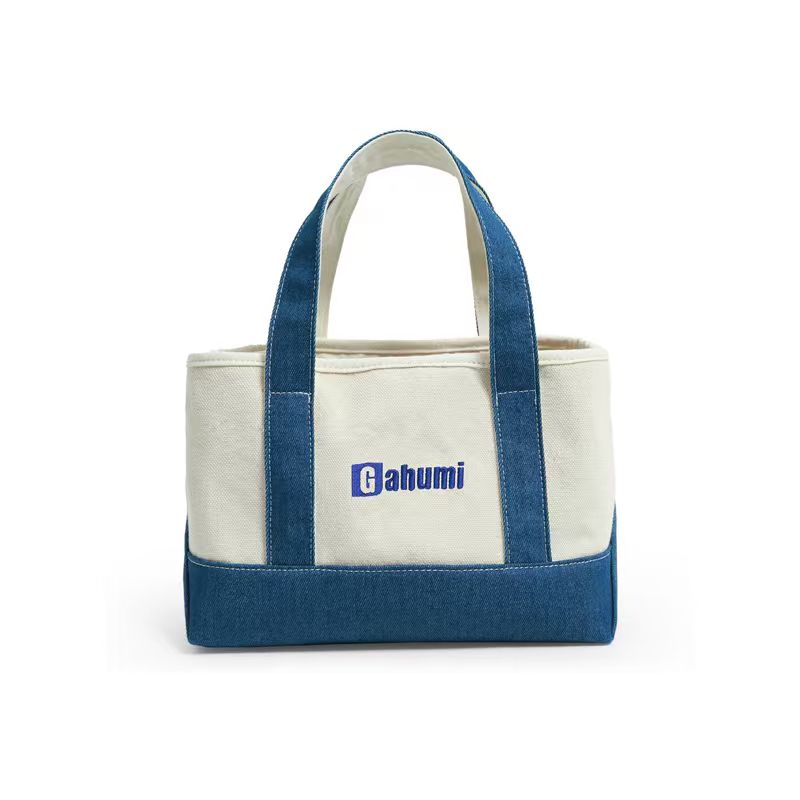
The transfer looks correct, but a rectangle remains visible around it. The retailer is judging two results at once: the decoration and the cotton panel beneath it. Approving only the logo can leave that second result unresolved.
Heat press marks on cotton tote bags should be recorded as appearance observations before anyone promises a cause or a remedy. A clear comparison gives the supplier something specific to review without turning the buyer’s sample check into a machine-setting recipe.
Look beyond the edge of the design
Inspect the panel around the decoration as well as the design itself. Record a visible outline, change in sheen, flattened-looking texture or colour difference in ordinary descriptive language. State which face and area you are looking at.
Take a view of the whole panel and a close photograph under consistent lighting. Keep the original sample. Do not apply heat, cleaning products or another home remedy before the supplier has had the opportunity to inspect the condition.
Can a photograph identify why a press mark appeared? Not reliably on its own. Different appearance changes need investigation, and a camera may exaggerate or hide them. Report what is visible and what is known about the sample instead of declaring a single cause.
Build a comparison that separates the variables
Ask whether the supplier can provide three identified references using the proposed cloth: an untreated piece, a heat-processed blank and a completed decorated sample. The blank is a requested development comparison, not something assumed to be part of a standard order.
Keep material, colour, finish and sample dates on the references. Ask the supplier to explain how the comparison was prepared and which conditions it represents. An unrelated spare cotton bag is a weak control for a finished cloth with a different surface.
Review all references under the same agreed viewing conditions, including a normal look at the whole bag. Record whether the observed difference remains visible in that comparison. The aim is a shared acceptance decision, not a claim that a particular light reveals the absolute truth.
Let the printing team review the application
STAHLS discusses pressure and heat-related marking in its application guidance. That supports asking the printing team about compatibility and process review. It does not justify applying the equipment settings or product promises from one manufacturer’s example to every cotton tote.
Identify the proposed transfer system and actual fabric. Ask what application change, material change or further trial the supplier recommends, and whether it would affect the print itself. Keep the revised proposal with its own sample reference.
The screen-printing and transfer comparison covers process selection. Here the process has been proposed already; the outstanding question is the surrounding panel’s finished appearance.
Approve the whole panel after any revision
If the supplier changes the application or transfer material, recheck the decoration and the surrounding cloth together. Review the intended size, colour, position and feel. A smaller test mark cannot necessarily settle the appearance of a larger decorated area.
Will every outline disappear after resting or washing? Do not promise that without evidence for this sample. If a later observation or treatment is proposed, agree it in advance and retain the original reference. A recovery observation is not a universal customer care instruction.
The care planning guide addresses supported advice for the finished bag. Do not ask a customer to wash a new product simply to conceal an unresolved appearance defect.
Keep the release decision visible
Attach the comparison photographs, material identity, proposed application and retained samples to a short decision record. State what was accepted, what was rejected and whether another sample is required. If another cloth is substituted later, review the effect rather than carrying over the old approval automatically.
Confirm a 100% cotton body requirement separately from the transfer and other components. Neither a pale cloth nor a heat-process result establishes complete-product composition, certification or lower environmental impact. A reusable bag still needs to be suitable for its intended tasks.
For an order discussion, send Gahumi the fabric and artwork references with an unaltered photograph of the concern. Ask which sample comparisons and process options can be reviewed for the project. This enquiry does not assume access to a particular transfer brand or an existing corrective process.
Email the sample references to gzgahumibag@gmail.com.