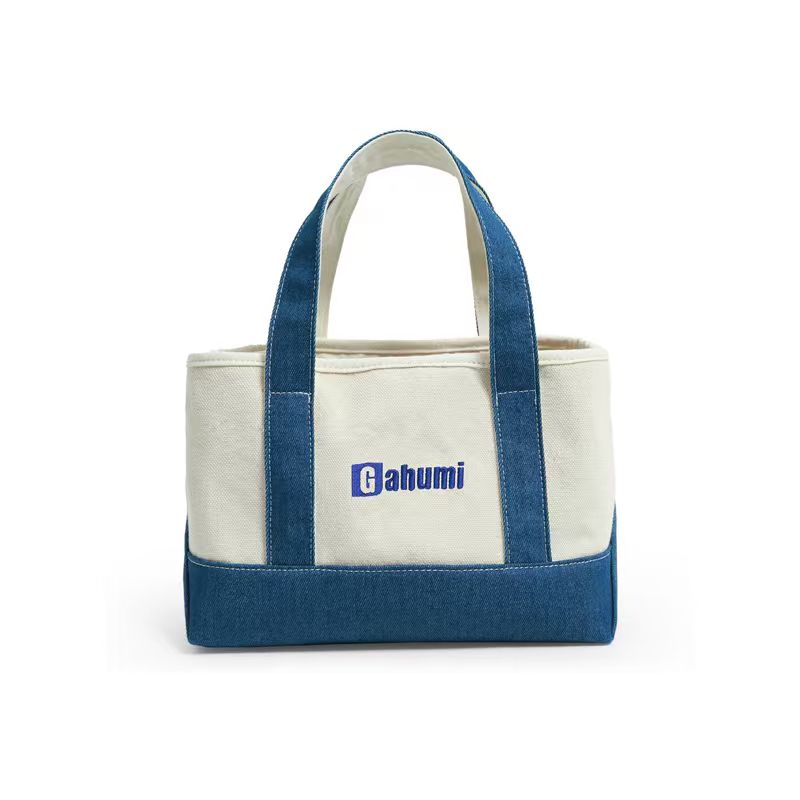
Two decoration quotes can use the same words and still describe different results. One may specify a named ink system; another may say only “heat transfer”. Before choosing the cheaper line, ask what will actually be applied to the cotton and how the finished sample will be approved.
When comparing screen printing with heat transfer on cotton totes, use the same artwork, fabric and quantities. Neither process name tells a buyer everything about colour, surface feel or care. The supplier also needs to confirm which options are available for the proposed order.
Get the process names into the quotation
Screen printing applies ink through a prepared screen. The Ryonet printing guide explains the separation of artwork into colour layers for multi-colour screen work. For a buyer, the practical question is which screens, colours and printed sides the quote includes.
“Heat transfer” is a broad description, not a complete material specification. Ask the supplier to identify the proposed transfer type and material, whether a background shape remains around the design and what application and care information applies.
Do not assume one transfer example represents every transfer process. Keep the named proposal beside its sample. If the quotation changes to a different system, ask which approvals need to be repeated.
Send the same artwork to both proposals
Provide the approved file, finished print dimensions and placement drawing. Include the number of colours, any gradients, fine lettering and photographic elements. Ask each printing proposal to explain how those parts would be reproduced.
Review the smallest text at the actual size. Ask whether lines, gaps or lettering need adjustment for the proposed process and fabric. There is no useful universal promise that one method will reproduce every small detail on every cotton weave.
Our cotton tote artwork checklist provides the shared file and placement record. Use it to stop an artwork revision from being confused with a process comparison.
Compare colour and feel on the intended cotton
Request samples on the proposed body fabric and shade. A print on a smooth white test cloth does not settle the result on a textured natural-colour bag. Keep the fabric reference identical where a direct comparison is intended.
Look at the colour, edges, coverage and any visible background around the design. Then touch the decorated area and flex the panel gently as it would move in ordinary handling. Record what your team accepts rather than describing one method as universally soft or premium.
Do the same review at the intended print size. A small logo sample cannot show how a large decorated panel will feel. If surface feel is important, make it an explicit approval point.
Ask what makes the application suitable
For a transfer proposal, ask how suitability for the chosen fabric will be checked. Siser’s material reference chart distinguishes application settings and recommends compatibility testing before production. That is a reason to confirm the specific material, not to copy one temperature across all transfers.
For screen printing, ask what ink system is proposed and how its processing requirements will be controlled. The buyer does not need to invent machine settings; the requirement is an identified process and an agreed finished result.
Keep any chemical, certification or environmental requirement separate. A process name alone does not establish that a print is certified, plastic-free or lower impact.
Compare complete costs and care expectations
Give the same quantities per design and colour to both quotations. Ask which setup, sampling, revision and repeat-order charges apply. Avoid using a fixed quantity crossover found in someone else’s project; your artwork and supplier’s proposal determine the comparison.
Request care advice for the finished decorated bag and agree how any important requirement will be evaluated. Do not promise a washing temperature or number of washes because a process is familiar. The cotton tote cost guide helps separate unit pricing from other order costs.
Approve the sample, named process, fabric and artwork version together. Keep a physical reference for production and later reorders. If a component or method changes, review the effect before accepting it.
Request a process-specific quotation
Send Gahumi your design, print dimensions, bag specification and quantities. If a 100% cotton body is required, state that explicitly. Include the delivery country, postcode and any colour or care requirements that will influence approval.
Ask which decoration options can be reviewed and request a sample quote for the proposed process. A clear comparison should tell you what you are buying, what you need to approve and what remains to be confirmed.
Email the artwork package to gzgahumibag@gmail.com.