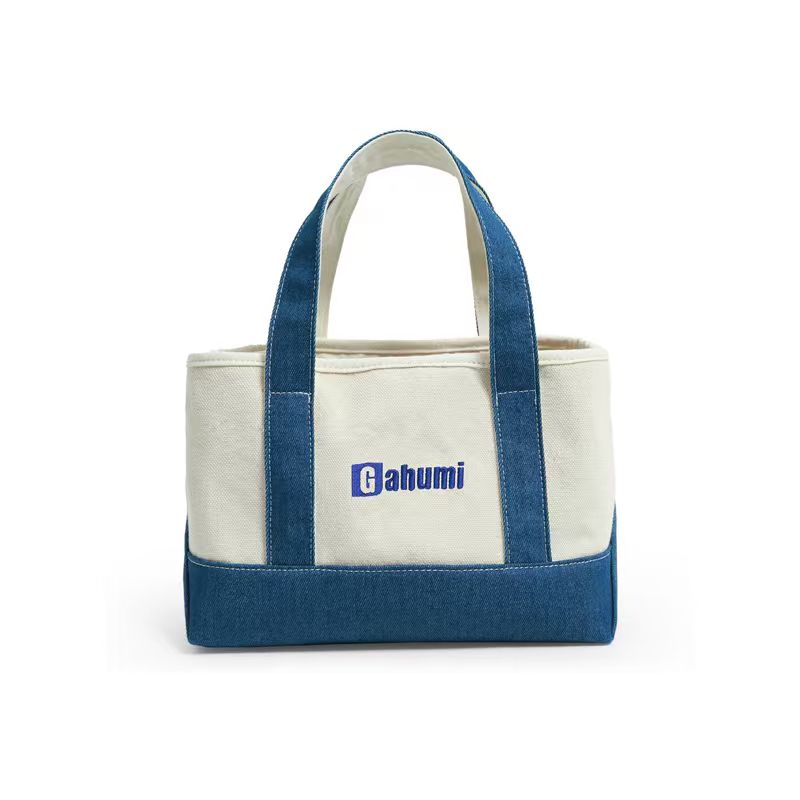
The same logo can look different on two pale cotton fabrics. Before changing the artwork, check the background. A warm natural shade and a white shade are different starting points for colour approval, even if both bags appear nearly white in a product photograph.
To compare natural and white cotton tote bags, request actual fabric references and a sample of the proposed print. This is a colour and specification decision. It is not evidence that one shade is automatically organic, unprocessed or environmentally preferable.
Replace colour names with an approved reference
Words such as natural, ecru, cream and white can be interpreted differently. Ask the supplier to identify the proposed fabric by reference and send a physical swatch where possible. Keep that reference with the quotation rather than approving a colour from a phone screen alone.
Review the swatches together under consistent lighting. Include the person who will sign off the merchandise range. If the bag needs to sit beside another product, place the real item next to the fabric and record the decision.
Photographs help communicate, but lighting, cameras and screens can change the appearance. Use them to identify a sample and its context, not to promise an exact shade match remotely.
Check the print on both backgrounds
Put the same artwork, size and placement on the brief for both versions. Ask the printing team to assess the ink or transfer system required for each fabric. A quote for a natural bag is not automatically a confirmed quote for a white one with an identical printed result.
Pay particular attention to pale elements, fine lines and areas where the fabric is meant to show through. Ask how the supplier proposes to reproduce any white part of the design. Do not assume the light fabric itself will represent every white detail in the artwork.
Approve a physical printed sample when colour is important. The artwork and proof guide helps keep the fabric reference, colour target and signed-off version together.
Separate shade from fibre composition
A natural-looking surface does not confirm that the body is 100% cotton. Ask for the fabric composition independently. If your specification requires 100% cotton, put that requirement in the purchase brief and ask how it will be documented for the proposed material.
Likewise, a colour name alone does not establish whether a fabric is unbleached, undyed or certified organic. Ask precise questions if those properties matter to the project. Request relevant supporting information before putting such wording on a product page, label or advertisement.
List handles, sewing thread, labels, closures and any lining separately. A statement about the body fabric should not casually become a claim about every component of the finished bag.
Review the complete colour combination
Bring the handles and contrast panels into the sample review. A dark strap, printed graphic and pale body need to be assessed as one design. If you intend to launch two body shades, approve each combination rather than assuming that one signed sample covers both.
For a two-tone bag, identify the colour reference for every panel on the drawing. The two-tone cotton bag guide covers the wider construction brief. It is especially useful when several visually similar pale fabrics appear in a range.
Ask what variation can be expected and what approval method the supplier proposes for later production. Agree this before ordering; do not invent an exact colour tolerance without a shared method of assessment.
Base care and marketing wording on evidence
If the tote will be offered for repeated use, discuss the intended care method and evaluate the finished printed sample. Record the body, contrast pieces and decoration together. Do not assign a washing temperature or a stain-resistance claim from the background colour.
For environmental copy, describe confirmed features plainly: the documented fibre content, the construction and how the bag is intended to be used again. Avoid “chemical-free”, “zero impact” or a guaranteed carbon saving based only on a natural shade.
The care instruction checklist gives the retail team a way to organise the questions that remain after colour approval.
Request a colour-specific sample quote
Send Gahumi the artwork, desired bag dimensions and quantities for each proposed shade. State the body composition requirement, contrast colours and any documentation needed. Add your delivery country, postcode and required arrival date.
Ask which natural or white fabric references can be considered and what sampling is needed to review the print. Choosing from identified materials gives the order a clearer foundation than approving “off-white” and hoping everyone means the same thing.
Email colour references and artwork to gzgahumibag@gmail.com.