The photograph has a pale sky, a dark stone arch and a small figure beneath it. On the proposed tote, the figure is the first detail to disappear. A larger file may help a resolution problem, but it will not settle every question about colour or contrast on cotton.
Photographic cotton tote printing needs an agreed image handoff and a sample that answers the buyer’s actual concerns. For a gallery shop or a brand using an authorised campaign photograph, identify the parts of the picture that must remain recognisable before choosing the final reproduction.
Keep the original image separate from the bag mock-up
Supply the authorised source photograph, its file identity and a separate placement preview. A picture pasted onto a photograph of a bag is useful for discussing scale; it should not become the only production file. Confirm reproduction permission and any required credit with the image owner.
Keep an untouched source with the designer. Identify the crop, retouching and colour adjustments in the proposed production version. For an exhibition image, a small change to the crop may remove a meaningful part of the work even when the remaining picture fits neatly between the handles.
Mark a cotton tote image crop approval on a preview that shows the complete intended image boundary. Include the printed width and height in millimetres, the orientation and any border. Our artwork size and placement guide covers the separate measurements on the bag.
Ask who will handle the colour conversion
A photo artwork colour profile identifies how the image’s colour values should be interpreted. Ask the designer to identify the source profile and the printing provider to confirm the file requirements for its proposed process. Do not remove that information simply to make the file smaller.
Adobe’s colour-management guidance distinguishes document colour information from the output profile and colour-conversion workflow. Its printer-and-paper examples are not a cotton tote recipe. The useful principle is to identify the intended output conditions rather than assume one generic setting will reproduce every photograph.
Should photographs be converted to CMYK before tote printing? Not automatically. Confirm the proposed provider’s required colour space, profile and conversion responsibility first. An unrequested conversion can change the file before the provider has assessed it. Keep the accepted delivery file distinct from an editable master.
Choose the image areas the sample must resolve
Request a full-size photo print sample on the proposed cotton and shade, using the proposed decoration route if it can be supported. State which details matter: the pale sky, the figure under the arch, a neutral wall or a recognisable product colour. A sample of a different photograph does not answer those questions.
For shadow detail on printed cotton, compare the selected dark areas with the authorised reference. Note whether separate shapes remain distinguishable. Also check pale areas and transitions rather than accepting a version simply because its darkest part is visible. Have the designer authorise any local adjustment before another sample is prepared.
The halftone guide addresses a different decision: reproducing tonal artwork through an agreed dot structure. Here, the buyer is retaining and approving a photographic image through a named colour workflow, not requiring one particular printing method.
Approve the photograph on the physical cloth
Can a screen proof approve the final cotton tote colour? It can support approval of crop, layout and file version, but it cannot establish the finished cloth’s appearance. Use the physical printed reference for that decision and agree consistent viewing conditions. Record any accepted difference from the source image.
Keep the accepted file, sample identity, fabric shade and decision together. Confirm the body composition separately from print materials, thread and trims. If the brief requires a 100% cotton body for repeated use, request that specification and suitable care advice; photographic printing does not itself establish an environmental benefit or certification.
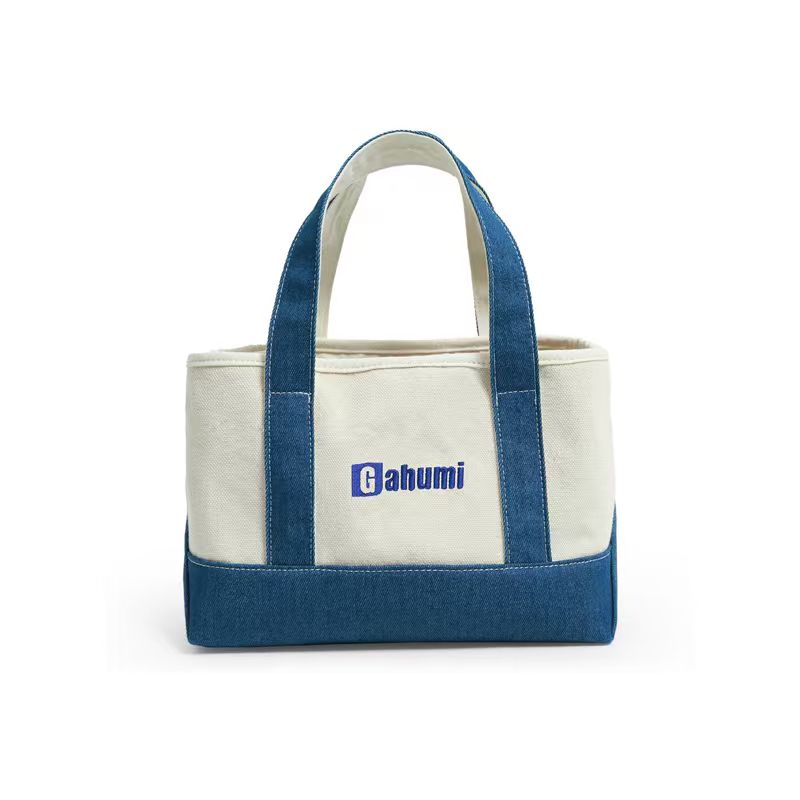
Send Gahumi the authorised image, desired crop, bag dimensions, print size, quantities and delivery destination. Ask whether an appropriate reproduction route and sample can be assessed. Available processes, costs and timing need confirmation for the project.
Email the authorised file brief to gzgahumibag@gmail.com.