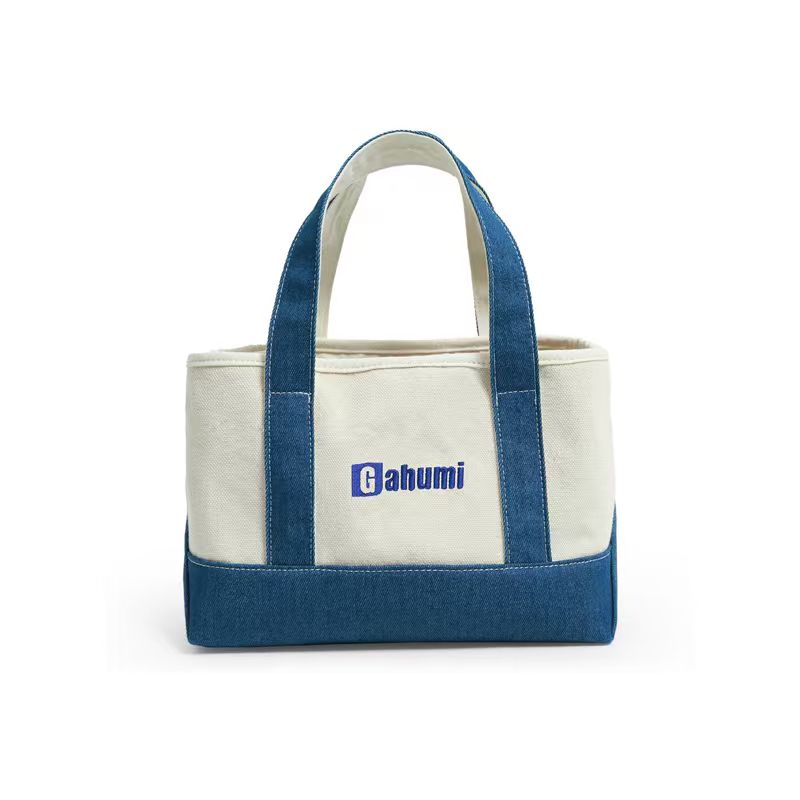
A returned tote is lying beside the packing bench. Its fold has opened and the paper band is loose. That may be a presentation task, but neither the loose band nor a completed refund tells the team whether this particular bag can join saleable stock again.
A returned cotton tote restocking review starts with the physical item. Identify it, record its condition and obtain the responsible stock decision before treating a tidy-looking bag as ready for another customer.
Find the exact bag before finding a new shelf
A returned tote product identity check should connect the return reference to the style, colour, print version and relevant included parts. Compare the whole bag with its approved product information. Two cream totes with similar blue artwork can still be different items.
Keep unknown details visible. Do not assign the nearest stock code simply to complete the record or infer that a bag is unused because it looks clean. Keep the returned item separate from stock already released for sale while the review remains open.
Shopify’s returns overview distinguishes receiving an item, exchanging it and refunding payment. Its processing guidance includes receipt and inspection, with restocking an explicit choice of location. That is a useful operating distinction, not a bag-condition test.
Does processing a refund make a tote saleable again? No. Financial processing does not describe the fabric, decoration, fittings or information accompanying the returned item. This guide concerns the separate physical stock decision.
Separate presentation from a condition problem
Review the front, back, interior, handles and relevant trims under suitable lighting. Note missing parts, changed print appearance, marks, damaged attachments or other uncertainty. Record observations without guessing their cause. A concern requiring investigation belongs in the separate after-use record, not under a quick instruction to make the bag look better.
Cotton tote presentation-only rework means a narrowly authorised action on an item already judged suitable for it. Examples might include restoring an approved fold or replacing a loose detachable paper band from the correct approved stock. It does not mean washing, steaming, ironing, concealing a mark or repairing an attachment.
Check any proposed action against the actual product and information record. Do not improvise a new care or composition label, erase useful identification or substitute a different colourway’s tag. A stated cotton body does not identify every lining, thread, fitting or decoration material.
Where dampness, contamination, a fault or uncertain condition needs assessment, keep the item on hold through the appropriate procedure. A visual check does not establish hygiene, safety or restored performance, and ordinary care wording is not automatic approval for commercial reconditioning.
Review the finished presentation once more
For an item authorised for limited presentation work, identify who completed it and what changed. Compare the result with the approved fold and display arrangement. Check that the correct product information remains readable and no handle, tag or print has been trapped.
Can a returned tote be sold as new after refolding? Refolding alone cannot establish that status. Keep the item’s actual condition and history within the responsible retailer’s assessment and accurate stock description. Making a fold neat does not erase an unresolved condition question.
Cotton tote restock authorisation should name the item, review outcome, permitted stock status, location and person approving the release. A physical hold, presentation work in progress and completed release are different states.
Only update the returned tote’s stock status after that decision, keeping saleable units separate from held goods. Preserve the return reference. A count used for a retail comparison needs to reflect that difference rather than treating every received return as available.
For a future production order, tell Gahumi which product references, folding instructions and approved information pieces your team needs. Ask what can be supplied and quoted. The retailer remains responsible for return processing, condition assessment and stock release. The product photograph is not a record of a reviewed returned item.
Email new-order requirements to gzgahumibag@gmail.com.