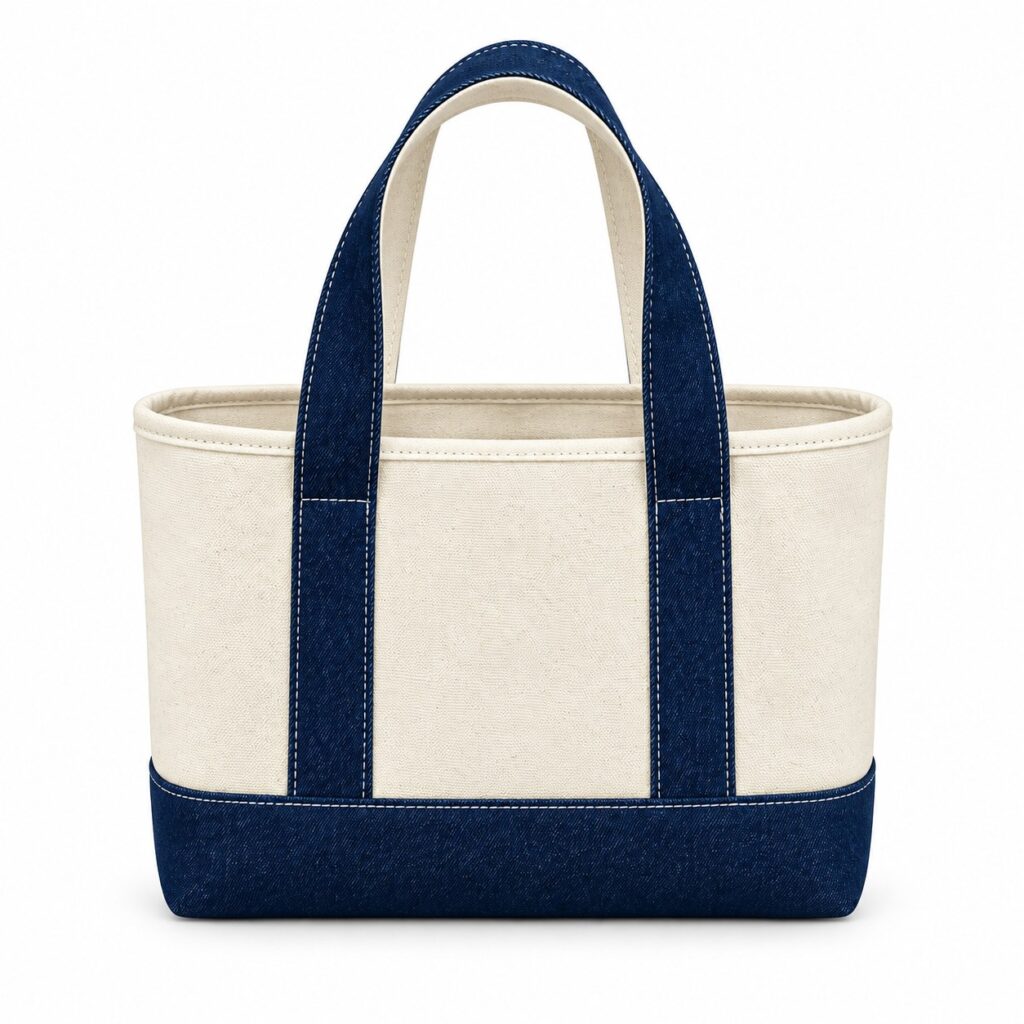
The finished totes have left the cutting and sewing process, but the fabric account may still be open. An uncut length of navy canvas, plain cutting pieces and panels carrying part of a logo are different materials with different questions attached. A single line saying waste removed hides those differences.
Cotton canvas offcut records identify what remains from an order and what has actually been agreed for it. This is a material close-out discussion, separate from the count of finished surplus bags.
Separate usable lengths from cutting remnants
An unused canvas balance should identify the fabric reference, colour or batch, location, measured quantity and condition. Keep the measurement basis clear. Metres remaining on a roll cannot be directly reconciled with kilograms of mixed scraps without an agreed method and suitable supporting information.
Ask what records are feasible before production if the material balance matters to your project. Do not create a precise consumption or cutting-loss percentage afterwards from incomplete figures. Record unknown quantities as unknown rather than treating them as proof that no material remains.
Identify body fabric, handle material, lining and other textiles separately where applicable. A specified 100% cotton canvas body does not prove that a mixed collection of offcuts has one composition. Print, coatings and attached trims may also matter to a proposed receiving route.
Keep branded material identifiable
Separate cutting pieces that still carry recognisable artwork, names or branding from plain fabric where an accepted arrangement requires it. Ask how the holder can maintain that distinction and what record will be supplied.
This does not decide who owns the fabric or artwork. Resolve uncertain ownership, permission or handling conditions with the relevant parties and advisers. The existing confidential design brief may inform access questions, but it is not itself a material disposal instruction.
Who decides what happens to unused tote fabric?
Identify the person authorised under the actual purchasing and material arrangements. Fabric offcut handling authorisation should name the material group, quantity or measured scope, proposed action and any conditions. Do not assume that payment for finished totes settles ownership of every roll end or cutting piece.
Possible discussions include continued holding, return of identified lengths or a proposed route through a suitable handler. Ask about feasibility, acceptance conditions, costs and evidence before agreeing any option. None of these routes should be presented as an existing Gahumi service without confirmation.
Are cotton canvas offcuts automatically recycled material?
No. An offcut’s existence, collection or proposed reuse does not establish a recycled-content claim. Textile Exchange’s Guide to Recycled Materials distinguishes qualifying reclaimed inputs from routine material reutilisation within the same process. That distinction is not a certification of your offcuts or a determination of their legal status.
If making a new product from available pieces is proposed, the patchwork specification raises separate design and consistency questions. Do not describe an assortment as recycled merely because its panels came from smaller pieces.
Close the action with evidence
Offcut destination evidence should identify the material handed over, measured quantity, date, receiving party and the action actually confirmed. An instruction to send material to a handler does not prove its receipt or subsequent processing. Keep any unsupported environmental claim out of the project summary.
Retain the remaining balance and unresolved items after the action. The useful outcome is an honest account of material and decisions, not a zero-waste claim unsupported by the order’s records.
Explain the records you need before ordering at gzgahumibag@gmail.com. Material quantities, permissions and handling options require agreement.