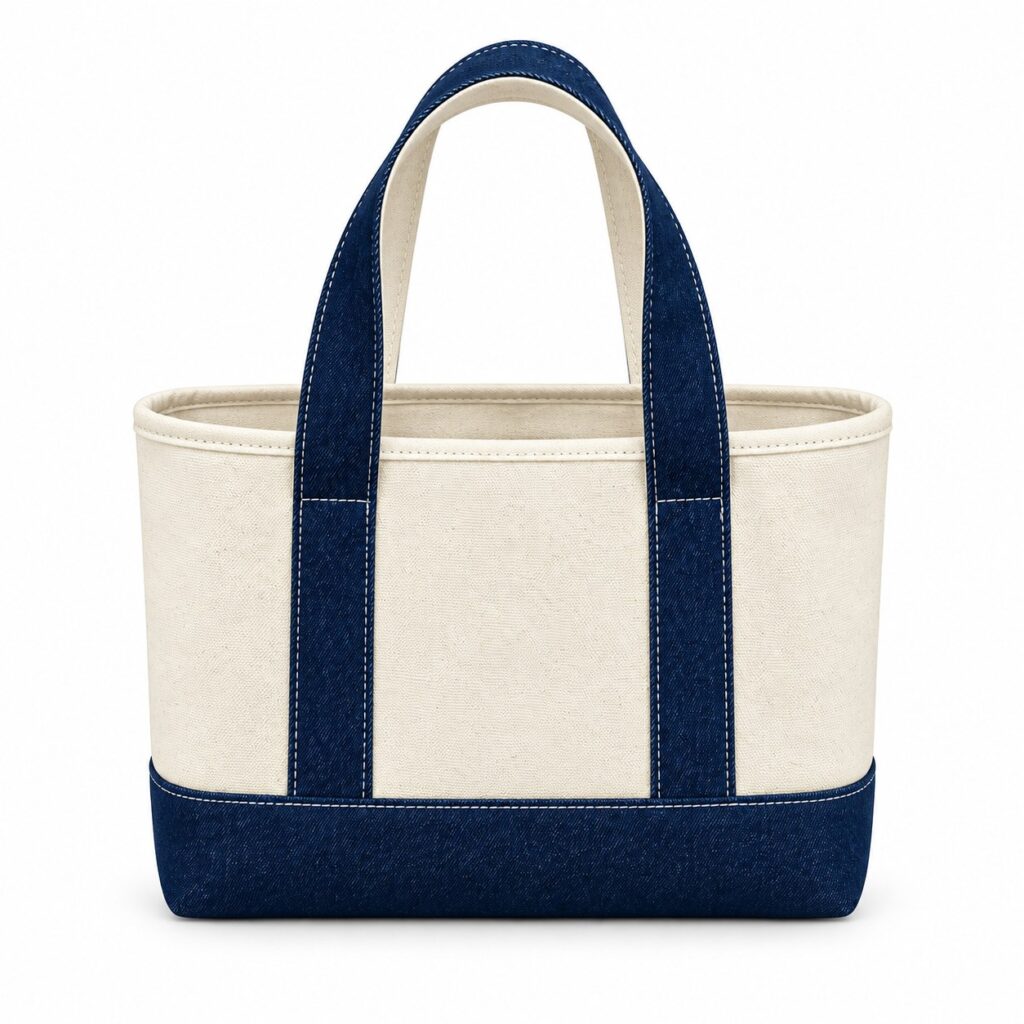
A request to add an adjustable strap creates a small component system: tape, adjuster, attachments and a free end that needs somewhere to go. The body can remain a cotton tote while those additional parts need their own material and construction decisions.
Start by trying the fixed handles on the proposed cotton or cotton canvas tote for its regular carrying job. An extra strap should solve a real fit or access need, not add fittings simply to make the bag look more elaborate. Review the extra materials and whether they are necessary.
For an adjustable shoulder strap for cotton tote bags, ask Gahumi to assess the proposed addition and the sampling it would require before choosing its appearance.
Describe the adjustment you need
State how the extra strap is intended to be worn and adjusted. Is it fixed to the bag or requested as a detachable component? Who will set the length, and should that setting normally remain in place during use? Keep those questions separate from a fixed pair of tote handles.
Show the attachment points on the body drawing. Ask the maker to assess how the proposed connection affects the bag construction. A ring visible on an existing bag is not evidence that it was designed to support an added carrying strap.
The handle-drop guide covers fixed handle fit. Do not use handle drop as the measurement of an adjustable strap; agree the endpoints and the usable adjustment range for this different arrangement.
Keep tape and adjuster as a matched proposal
An adjuster must be assessed with the proposed cotton tape, not chosen from appearance alone. Give the supplier the proposed tape width, thickness, construction and material reference, and ask for an identified compatible adjuster and threading arrangement. Similar-looking parts are not automatically interchangeable.
YKK’s strap-adjuster category shows that these are separately specified hardware products. It is a component reference, not evidence that a particular model is suitable for this cotton bag or available from Gahumi.
Ask for the actual proposed tape and hardware together in the sample. Record the model or component reference and any relevant maker instructions. Do not approve the combination from the nominal opening width of an unidentified slider.
Keep the cotton requirement precise. A cotton body does not make an adjuster, clasp, sewing thread or keeper cotton. Identify each part and any material restrictions before requesting a quote.
Get a drawing of the threading route
Ask the technical supplier to show the intended tape path through the adjuster, the fixed end and the free end. Include the orientation of the part. Do not invent a threading route from a photograph or assume a different buckle uses the same arrangement.
Specify the agreed measurement endpoints for minimum and maximum usable strap length in centimetres. State whether fittings are included. Check this range on the assembled sample without confusing the cut length of tape with the adjustable span a customer can use.
If a detachable arrangement is proposed, ask for the clasp and receiving point to be identified together. Review opening, closing and access on the actual sample. A detachable request also needs a decision about how the extra part will be supplied and kept with the bag.
Observe whether the setting moves
Agree the representative contents, adjustment position and handling sequence with the supplier before checking whether the strap setting moves. Mark or photograph an identifiable tape position before the trial, then record any observed movement and the conditions rather than writing simply “slips”.
Repeat adjustment as a user would: loosen, shorten and find the setting again. Note whether the tape twists, catches or is difficult to feed. Include the people and clothing used in the review if fit observations are recorded.
This is a practical sample review, not a formal retention, fatigue or load test. If the project requires performance evidence, agree an appropriate method and acceptance criteria separately. A short successful trial cannot support a safe-weight rating or a universal comfort claim.
Check excess tape and the complete cost
Decide what happens to excess tape at different settings. A keeper or another arrangement may be proposed, but it introduces another component and must not obstruct normal adjustment. Check both the shortest and longest agreed settings, including the appearance of the free end.
Include the strap system as a separate item in the enquiry: tape, adjuster, attachments, end treatment and any keeper, with drawing and sample references. The quotation comparison guide helps keep extra components and assembly operations visible.
Send Gahumi the bag drawing, requested adjustment purpose, quantity, destination and material requirements. Ask whether a suitable system can be developed and quoted. Confirm component availability, sample scope and any testing before treating the requested option as part of the order.
Ask about adjustable-strap feasibility Discuss the strap on WhatsApp
Email the proposed strap details to gzgahumibag@gmail.com.