Soft is a useful starting point for a cotton tote, but a poor fabric specification. It might describe a raised surface, a suede-like touch or simply the way a particular cloth bends. Before selecting the material, turn that preference into a physical reference the buyer and maker can recognise.
For a brushed cotton canvas tote, choose the actual finished cloth rather than ordering by the adjective alone. The intended outer face, inside surface and decoration all belong in that choice. Ask Gahumi which material proposals can be considered before building a range around a particular finish.
Name the treatment behind the feel
CottonWorks describes brushing as raising surface fibres to change a fabric’s feel or appearance, and distinguishes it from napping. Its mechanical finishing guide also explains sanding, where cloth contacts abrasive rolls, and the suede-like effects associated with sueding. These are process descriptions, not interchangeable names for every soft cotton.
Are brushing and sueding the same finish? No. Ask the material provider to identify the treatment behind its proposed swatch. If its commercial name is unclear, retain that name alongside the explanation instead of translating every textured finish into brushed canvas.
Sueded cotton tote fabric still needs a complete cloth identity. Confirm the proposed composition, weave, finished weight and material reference. A suede-like textile surface is not a request for leather, and a cotton body requirement does not describe the handles, lining or decoration.
Choose what touches the hand and the contents
Brushed canvas face selection matters on an unlined tote. Decide which surface should face out and what the inside should be like. A small swatch displayed on its preferred side can conceal a reverse that the customer will touch whenever the bag opens.
Handle a sufficiently large piece. Fold it as a panel, drape it over the intended contents and feel both sides without stretching it. Compare candidates beside one another, noting whether the desired quality is the surface touch, the way the cloth folds or both. Keep differences in weight and construction visible so the finish does not receive credit for every difference.
A cotton tote tactile finish swatch should have a reference card identifying the face, reverse, material and finish. Retain it in its received condition. Photographing it can locate the sample, but a photograph cannot communicate the complete feel.
Can a softness description identify the cloth? It cannot. Link the selected physical reference to the provider’s material description and ask which changes would require another approval. If only a small development piece exists, record what remains to be reviewed on a larger panel.
Let the graphic meet the selected surface
Request a brushed cotton print sample using the authorised artwork at the intended size on the actual finished cloth. Ask the decorator which process can be assessed. Review lettering, filled areas and panel feel together; a clear preview on a screen does not show how the textile surface and decoration will meet.
An intentionally raised surface is a design choice. New surface knots after use or fibres showing through ink raise different questions. The pilling assessment guide and print-surface review keep those investigations separate. No finish name establishes an anti-pilling result or the life of a reusable tote.
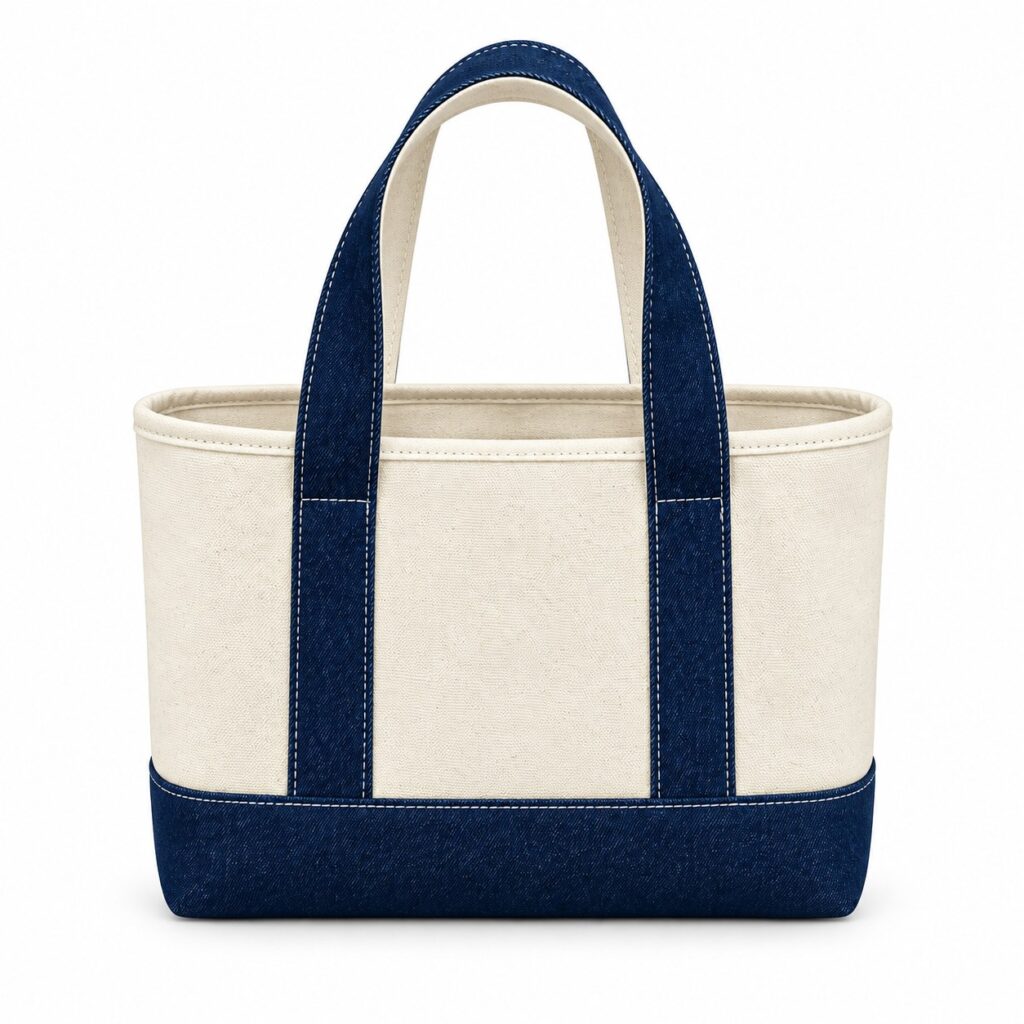
Finish the choice with the selected cloth reference, treated face or faces, retained tactile swatch and accepted decorated panel. Carry that decision into the assembled bag review and agree suitable care. Keep cotton composition and any environmental claim supported separately. The general bag photograph is not a finish swatch.
Send Gahumi your desired feel reference, required body material, bag dimensions, artwork, quantities and delivery destination. Explain what you like about the reference and ask which cloth, finish and sample arrangement can be quoted.
Email the reference and bag brief to gzgahumibag@gmail.com.