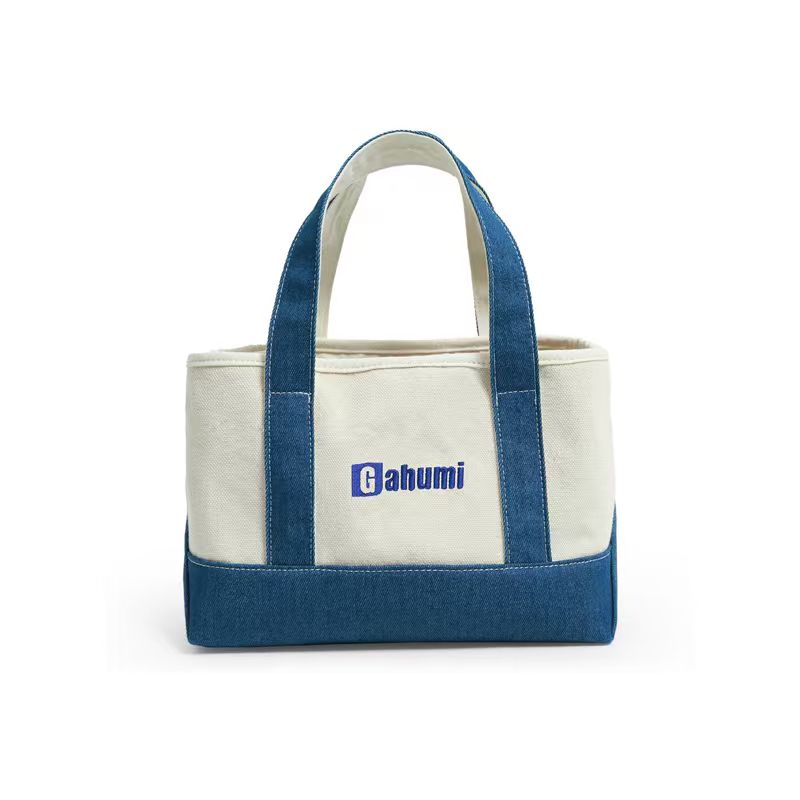
Can you sublimate a cotton tote bag? The answer depends on the complete decoration system, not simply the word “sublimation” in a quotation. Traditional sublimation and newer systems marketed for cotton do not have identical material requirements. Ask what is being transferred, onto which surface and with which named ink and media before approving a sample.
This matters when a buyer wants a reusable cotton tote with a detailed colour image. A proposal might involve a purpose-designed cotton transfer system, a separate printable film or a polyester-containing surface. Those options should not be presented as the same construction or as proof that ordinary sublimation paper will work on untreated cotton.
Start with the proposed surface
To settle cotton tote sublimation requirements, begin with the image-receiving surface. Sawgrass’s paper selection guidance distinguishes polyester textiles and suitable polymer-coated products from natural-fabric applications requiring a different paper route.
Confirm the fabric composition and whether any coating, printable layer or other treatment is proposed. If the quotation says “cotton feel” or “canvas”, request the actual specification. Neither expression establishes a cotton fibre content or identifies the surface receiving the colour.
A cotton body with an added film or coating is not an entirely cotton product. Keep the body-fabric statement separate from the decoration description, particularly when preparing retail copy or answering a material questionnaire.
Separate the system names before comparing samples
A sublimation ink and paper combination has to be identified as a complete proposal. Do not assume paper can be exchanged between systems because a printer uses the same colour names. Ask the decoration provider to identify the manufacturer, ink set, transfer media and intended substrate together.
Current manufacturer information also makes a blanket “cotton cannot be sublimated” answer unhelpful. Sawgrass describes two transfer methods within its VersiFlex system: VersiFlex Light for natural textiles including cotton, and TruePix for traditional sublimation applications such as polyester. This is a named system with different media routes, not permission to use an unspecified sublimation setup on bare cotton.
There are film-based options too. Siser identifies EasySubli as a printable material suitable for cotton and lists its composition as PU, or polyurethane. A heat transfer film for cotton therefore needs its own component description. It must not be called cotton merely because it is attached to cotton cloth.
These manufacturer examples clarify the questions to ask. They do not establish that Gahumi offers either system or that a supplier’s stated result will be reproduced on your chosen tote. Feasibility needs confirmation for the actual project.
Use the actual bag to choose the result
A cotton tote sublimation sample should use the proposed fabric, shade and complete decoration route. Identify the artwork version and printed dimensions in millimetres. A photograph of the same image on a polyester shirt or ceramic product cannot approve its appearance on a cotton bag.
Review the image, any visible boundary, the surface feel and the way the decorated area folds with the bag. Check the finished construction rather than extrapolating from a loose piece of cloth. If the image needs a distinct crop or tonal review, use the photographic artwork handoff alongside the material specification.
Can a cotton-compatible transfer use ordinary sublimation paper? Not on that description alone. Require the exact media specified for the named ink system and substrate. If the proposal changes paper, film or coating between development and production, have the revised combination reviewed before release.
Keep care and environmental wording tied to evidence
Agree how the finished tote will be evaluated for its intended use and care. The decoration provider should work from the manufacturer’s current instructions; the buyer should approve a finished-bag result. A generic temperature recipe or a material manufacturer’s washing statement is not a guarantee for the complete tote.
Choosing cotton does not, by itself, establish that one decoration route has a lower environmental impact. Record the actual components and support any further claim with relevant evidence. Where several print options are feasible, compare their physical samples against the same design brief using our screen print and transfer comparison.
Send the artwork, intended cotton fabric, quantity and proposed process name to Gahumi. We can discuss project feasibility before you commit to a sample or describe the method in a product listing.
Email the brief to gzgahumibag@gmail.com.